Vitamin D: Why We Need It – and Why More Isn’t Always Better
Vitamin D is often called the “sunshine vitamin”, and for good reason. It’s a fat-soluble vitamin that our bodies make when our skin is exposed to sunlight. Unfortunately, here in the UK, sunshine can be in short supply — especially during the long, dark, grey months of winter.
Because of this, many of us are a little low in vitamin D without realising it. For people living in northern climates like ours, taking a vitamin D supplement between October and the brighter days of late spring and summer (from around May onwards) is often recommended.
But while vitamin D is essential for health, it’s also one of those nutrients where more is not always better. Understanding how much you need — and how much is too much — matters.
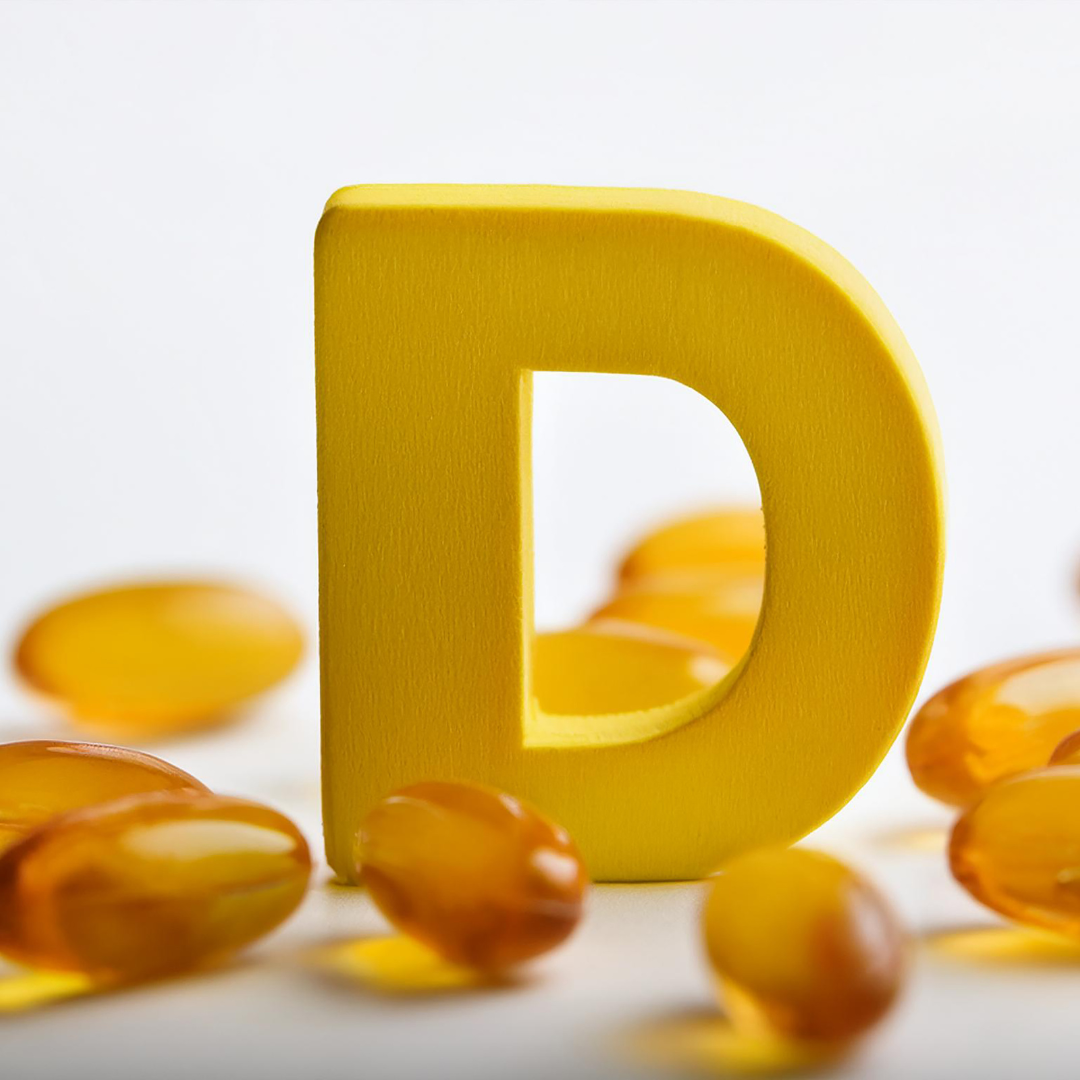
Where Do We Get Vitamin D From?
Sunlight is by far the most effective source of vitamin D. When UVB rays hit the skin, they trigger vitamin D production. However, from autumn through to early spring in the UK, the sun is simply too low in the sky for this process to work efficiently.
We do get small amounts of vitamin D from food, though it’s quite limited. Common dietary sources include:
Egg yolks
Oily fish such as salmon, mackerel and sardines
Vitamin D-enhanced mushrooms
Fortified foods, including some cereals and dairy alternatives
For most people, diet alone isn’t enough to maintain optimal vitamin D levels, which is why supplements are so widely used.
Why Vitamin D Is So Important
Vitamin D plays a role in a wide range of processes throughout the body. It’s most commonly associated with bone health, but its influence goes far beyond that.
Vitamin D is important for:
Bone strength and density
Calcium absorption
Muscle function
Energy production
Immune system support
Mood and mental wellbeing
Without enough vitamin D, the body struggles to absorb calcium efficiently. Over time, this can lead to thinning, brittle bones. Severe deficiency can cause rickets, and in adults it increases the risk of osteopenia and osteoporosis.
Alongside calcium and other essential minerals, vitamin D is a key nutrient for maintaining strong, resilient bones as we age.
Who Is Most at Risk of Low Vitamin D?
Some people are more likely to have low vitamin D levels than others. Risk factors include:
Living in northern climates with limited winter sunlight
Spending a lot of time indoors
Being older
Having darker skin (which naturally produces vitamin D less efficiently)
If any of these apply to you, supplementation during the winter months is often a sensible choice.
Can You Have Too Much Vitamin D?
Yes — and this is where vitamin D differs from many other nutrients.
Vitamin D is fat soluble, meaning any excess that the body doesn’t immediately use gets stored in fat tissue rather than being excreted. This is why it’s possible to build up too much over time, particularly if you’re taking multiple supplements.
The usual recommendation for adults is around 600–800 IU per day, with doses of up to 2,000 IU sometimes used therapeutically. While these amounts are generally safe, problems can arise when vitamin D intake creeps up unknowingly.
Supplements: Easy to Overdo
Vitamin D supplements come in many forms — capsules, sprays, drops and combined formulas. It’s surprisingly easy to go overboard, especially if you’re taking more than one supplement.
For example, you might be getting vitamin D from:
A multivitamin
A bone health or mineral supplement
A standalone vitamin D product
Individually, each dose might seem modest, but together they can add up quickly. Because vitamin D is stored in the body, long-term excess intake can eventually cause issues.
What Happens If You Take Too Much?
The main concern with excessive vitamin D intake is that it can raise calcium levels in the blood. This excess calcium may then be deposited in soft tissues — such as the arteries, heart and kidneys — where it doesn’t belong.
Although vitamin D toxicity is rare, it can happen.
The NHS advises not to take more than 4,000 IU of vitamin D per day, as higher amounts could be harmful. In certain situations, a GP may recommend higher doses for a short period, but this should always be done under medical supervision.
Signs You May Be Getting Too Much Vitamin D
Symptoms of vitamin D excess can be subtle and are often mistaken for other issues. They may include:
Frequent urination
Stomach upset or digestive discomfort
Nausea
Dizziness
Fatigue
If you’re experiencing these symptoms and taking supplements, it’s worth reviewing your intake.
Should You Test Your Vitamin D Levels?
Most GPs don’t routinely test vitamin D levels unless there’s a clear clinical reason. However, home testing is now widely available.
A simple finger-prick blood test can be ordered online for around £30 and gives a clear picture of your vitamin D status. This can be especially helpful if you’ve been supplementing regularly or are unsure whether your intake is appropriate.
Unless you’ve been specifically advised by a healthcare professional, it’s best to stay below 2,000 IU per day and always add up vitamin D from all the supplements you’re taking.
A Sensible Approach to Vitamin D
Vitamin D is essential for health, particularly during the darker months of the year. For most people, moderate supplementation is both safe and beneficial.
The key is balance.
Supplement sensibly between October and spring
Check labels and total your intake
Avoid high doses unless advised by a professional
Be mindful of combining multiple supplements
Don’t overdo it, stay within safe limits, and take care when building a “cocktail” of supplements.
If you’re curious about your own levels, vitamin D test kits are readily available online and can provide useful peace of mind.
Your body needs vitamin D — just not too much of it.
About the author:
Jane McClenaghan is renowned for her down-to-earth, evidence-based approach to nutrition, making healthy eating practical and achievable for everyone.
With over 25 years of experience delivering group sessions for corporate clients and one-to-one consultations, she specialises in women’s health and has helped thousands of people transform their wellbeing through better nutrition.
As the author of two best-selling books and a familiar voice on local radio, Jane is passionate about translating the science of nutrition into real food on your plate and empowering others to make lasting, positive changes for their health.
Get in touch