Simple steps to healthier eating
Healthy eating doesn’t have to be complicated. You don’t need to follow a strict regime or overhaul your entire lifestyle overnight. In fact, some of the most powerful improvements to your health come from the smallest changes—one step at a time. By gradually adjusting your habits, you can transform the way you eat and feel, without stress or deprivation.
In today’s world, where social media dominates our attention, most of us are better informed about nutrition than ever before. Yet, knowledge doesn’t always translate into action. Surveys consistently show that many of us are low on fibre, high on fat, and consume too much sugar. We often rely on ultra-processed foods (UPFs) instead of real, whole foods, and our daily fruit and vegetable intake falls short of recommendations.
We know that diet plays a crucial role in health and wellbeing. Simple shifts in what and how we eat can reduce the risk of cardiovascular disease, type 2 diabetes, and certain cancers. They can also support immunity, mental health, and digestive function. The truth is, you don’t need a radical change to see results—small, manageable adjustments can make a real difference over time.
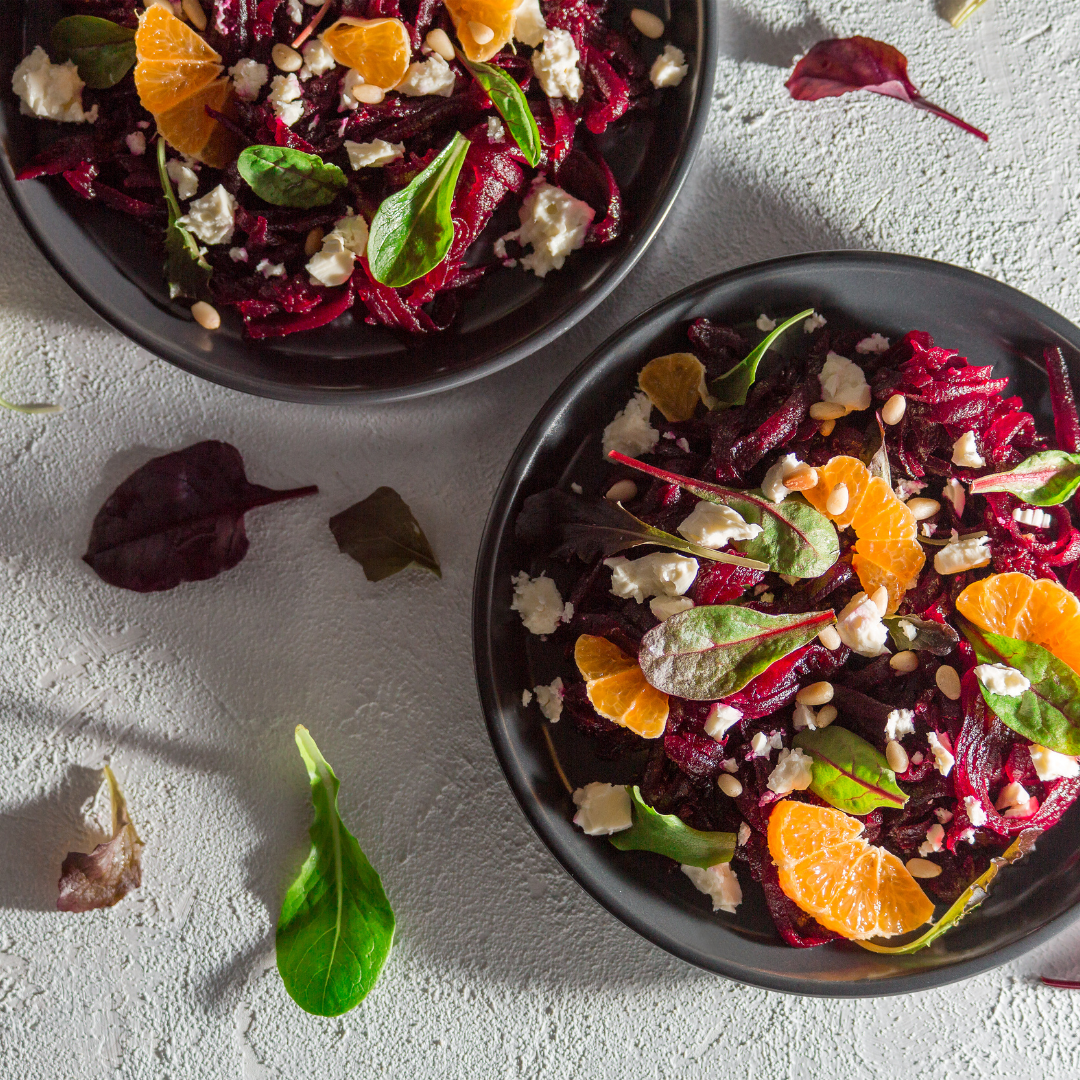
Start Small and Build Healthy Habits
The key to lasting change is simplicity. Focus on small tweaks that feel achievable, rather than chasing quick fixes. By noticing your daily habits and making incremental changes, you can improve your health sustainably.
A good first step is keeping a food diary. Writing down what you eat and when can help you identify patterns and opportunities for improvement. You can also use apps like MyFitnessPal or NutraCheck to track nutrients and portion sizes.
Here are some simple strategies to help you start:
1. Protein and Fibre Are Your Friends
If you find yourself hungry between meals, take a look at your previous meal. Did it contain a good source of protein and fibre? Protein and fibre are the dynamic duo of satiety—they help you feel fuller for longer and can reduce cravings. Consider including protein-rich foods like eggs, lean meats, fish, or plant-based options, alongside fibre-rich foods such as vegetables, beans, lentils, nuts, seeds, and wholegrains.
2. Increase Your Fruit and Vegetable Intake
Fruit and vegetables provide essential vitamins, minerals, and antioxidants. If you’re not getting enough, think about where you can add an extra portion. Could you include fruit with breakfast, enjoy a bowl of soup at lunchtime, or add an extra portion of vegetables to your dinner? Even small increases can make a meaningful impact on your overall nutrition.
3. Include Healthy Fats
Healthy fats aren’t something to fear—they’re essential for brain function, heart health, and overall wellbeing. Oily fish, nuts, seeds, olive oil, and avocado are all excellent sources. Try to include them regularly in your diet rather than viewing fat as the enemy.
4. Pay Attention to Meal Timing
Notice when you eat. Are your meals at regular times, or is your schedule more sporadic? Late-night eating can affect digestion, sleep, and metabolism. Research suggests leaving two to three hours between your last meal and bedtime can support better health. Experiment to find what works best for you.
5. Watch Salt Intake
High blood pressure is a growing concern, and reducing salt can have a significant effect. Track your intake and notice which foods are high in salt. Simple swaps—like choosing roast chicken instead of ham, cutting back on bacon, or making your own sauces—can make a big difference.
6. Don’t Forget Fibre
Fibre is often overlooked but plays a crucial role in digestive health, satiety, and metabolism. Aim for around 30g of fibre per day by including beans, lentils, wholegrains, nuts, and seeds. Introduce fibre gradually to avoid digestive discomfort, and enjoy the benefits of improved energy and reduced cravings.
7. Keep Protein Consistent
Protein is essential for muscle maintenance, appetite control, and overall health. Aim for around 25g per meal. Small additions like Greek yoghurt, nuts, or seeds at breakfast can help you hit your daily target without feeling like a chore.
8. Listen to Your Body
One of the best ways to improve your diet is to notice how small changes make you feel. Pay attention to energy levels, digestion, mood, and appetite. These indicators are often far more useful than the number on the scales. Adjust your eating habits based on how your body responds, rather than chasing an idealised “perfect diet.”
The Power of Gradual Change
It’s easy to get caught up in the idea that healthy eating requires a complete lifestyle overhaul. But the reality is that long-lasting change often comes from gradual, thoughtful adjustments. By making small, manageable improvements and sticking with them, you can create habits that last a lifetime.
Remember, it’s not about perfection—it’s about progress. A healthier diet doesn’t need to be complicated, expensive, or restrictive. Start simple, notice your habits, and make changes that feel good for you. Over time, these small steps add up to meaningful improvements in your health and wellbeing.
About the author:
Jane McClenaghan is renowned for her down-to-earth, evidence-based approach to nutrition, making healthy eating practical and achievable for everyone.
With over 25 years of experience delivering group sessions for corporate clients and one-to-one consultations, she specialises in women’s health and has helped thousands of people transform their wellbeing through better nutrition.
As the author of two best-selling books and a familiar voice on local radio, Jane is passionate about translating the science of nutrition into real food on your plate and empowering others to make lasting, positive changes for their health.
Get in touch