What to Eat for Exam Season: Fuel Your Brain, Stay Focused, and Perform at Your Best
The start of May brings longer days, a hint of summer—and for many students, the pressure of exam season. While revision plans and past papers tend to take centre stage, what you eat (and drink) can play a surprisingly powerful role in how well you focus, manage stress, and perform on the day.
A few simple tweaks to your diet and daily routine can support brain function, stabilise energy levels, and help you feel calmer and more in control. Here’s how to fuel your body and mind through exam season.
Start the Day Right with a Brain-Boosting Breakfast
Whether you’re revising at home or heading into an exam, breakfast is not one to skip. A well-balanced breakfast helps improve concentration, sustain energy, and support mood throughout the day. In fact, research shows that what you eat in the morning can affect how you feel right through to the afternoon.
The key is balance. Aim to include:
Protein for focus and mental clarity
Fibre for steady energy release
Healthy fats to support brain function
This combination helps avoid energy crashes and keeps you feeling fuller for longer.
Some simple, effective breakfast ideas include:
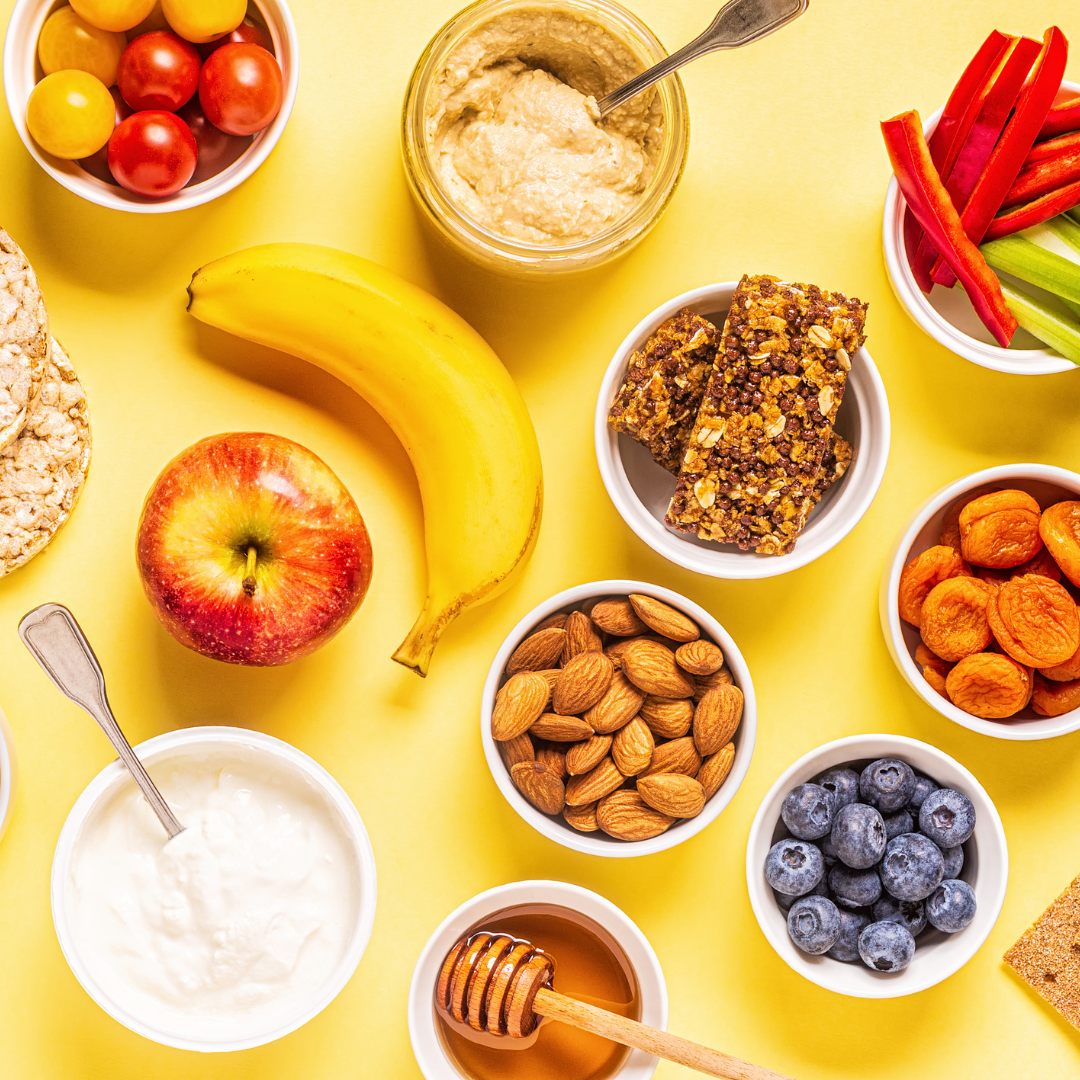
Greek yoghurt with berries, seeds, and a low-sugar granola
Overnight oats with chia seeds and grated apple
An omelette with vegetables
Wholemeal toast with nut butter and banana
If exam nerves make it difficult to eat, keep things light and easy to digest. A smoothie can be a great option—blend fruit with milk and yoghurt, and add extras like oats, seeds or peanut butter for an extra boost. It’s quick, nourishing, and gentle on the stomach.
And if you find a breakfast that works for you? Stick with it. Consistency is more important than variety during busy periods.
Hydration Matters More Than You Think
It’s easy to overlook, but even mild dehydration can affect concentration, memory, and energy levels. Keep a water bottle on your desk while revising and take one with you into the exam room if allowed.
Small, regular sips throughout the day are far more effective than trying to catch up later.
Don’t Skip Meals—Your Brain Needs Refuelling
When you’re deep in revision, it can be tempting to power through and skip meals. But your brain works best when it’s properly fuelled. Regular meals help maintain steady blood sugar levels, which is key for concentration, memory, and mood.
At lunch and dinner, aim to build balanced meals that include:
Healthy fats
Found in oily fish like salmon, sardines, mackerel, and trout, these fats are essential for brain health. If oily fish isn’t your thing, an omega-3 supplement may be worth considering, as studies suggest it can support focus and concentration.
Plenty of fruit and vegetables
These provide antioxidants, vitamins, and minerals that support brain function, as well as fibre to help keep energy levels stable.
A palm-sized portion of protein
Protein helps stabilise blood sugar and supports the production of neurotransmitters—the chemicals that allow your brain to think quickly and clearly. Good sources include meat, fish, eggs, dairy, nuts, seeds, and pulses.
High-fibre carbohydrates
Choose wholemeal bread, oats, brown rice, or wholegrain pasta. These provide a slow, steady release of energy, helping you stay focused for longer.
Use Mealtimes as a Reset
Meals aren’t just about nutrition—they’re also an opportunity to pause.
Step away from your desk, get some fresh air if you can, and give your brain a break. Even a short reset can help you return to your revision feeling clearer, calmer, and more productive.
Be Mindful with Caffeine
When energy dips, it’s tempting to reach for another coffee. But too much caffeine can increase feelings of stress and anxiety—exactly what you don’t need during exam season.
If you’re relying heavily on caffeine, consider cutting back slightly and swapping in alternatives like:
Decaffeinated tea or coffee
Herbal teas with calming properties
Green tea, which contains a small amount of caffeine but may support focus without the jitters
Smart Snacking for Revision Days
Snacks can be incredibly helpful for maintaining energy between meals—especially during long revision sessions. The goal is to choose options that combine protein, fibre, and healthy fats to keep you satisfied and focused.
Some good options include:
Yoghurt with fresh fruit
Wholemeal toast with peanut butter and banana
Oatcakes with cheese
Smoothies made with fruit, milk, and yoghurt
Trail mix with nuts and dried fruit
A few squares of dark chocolate with Brazil nuts
These snacks provide a steady release of energy without the sharp spikes and crashes that come from sugary foods.
Don’t Forget to Switch Off
Once your revision is done for the day, give yourself permission to switch off. Rest and recovery are just as important as the studying itself.
Downtime helps your brain process and retain information, while also reducing stress and preventing burnout. Whether it’s going for a walk, exercising, listening to music, or spending time with friends—find something that helps you unwind.
Movement is particularly effective. Exercise, especially outdoors, can improve mood, reduce anxiety, and boost overall brain function.
Focus on small habits
Exam season can feel intense, but looking after your body will make a real difference to how you cope—and how you perform.
You don’t need a perfect diet. Focus on small, consistent habits:
Eat a balanced breakfast
Stay hydrated
Don’t skip meals
Choose nourishing snacks
Take breaks and get outside
Be mindful with caffeine
Make time to relax
These simple strategies will help support your focus, energy, and wellbeing—so you can approach your exams feeling prepared, clear-headed, and confident.
About the author:
Jane McClenaghan is renowned for her down-to-earth, evidence-based approach to nutrition, making healthy eating practical and achievable for everyone.
With over 25 years of experience delivering group sessions for corporate clients and one-to-one consultations, she specialises in women’s health and has helped thousands of people transform their wellbeing through better nutrition.
As the author of two best-selling books and a familiar voice on local radio, Jane is passionate about translating the science of nutrition into real food on your plate and empowering others to make lasting, positive changes for their health.
Get in touch