Why we are living longer but not ageing well
We’re living longer than ever before—but are we actually ageing well?
Recent research suggests not. In fact, new findings from the UK Health Foundation show that our healthy life expectancy—the number of years we live free from serious illness or disability—has declined by two years over the past decade.
While overall life expectancy in the UK sits at around 82 years, the reality is more concerning. Healthy life expectancy is just 63.7 years for men and 60.9 years for women. That’s potentially two decades or more spent in poor health.
So what’s going wrong?
The Reality of Ageing in the UK
A combination of factors is driving this decline. Poverty, poor housing and lifestyle choices all play a role. But diet and health behaviours are key contributors.
We are now the fattest nation in Western Europe, and rates of poor mental health continue to rise. Carrying excess weight—particularly around the middle—is strongly linked to heart disease, type 2 diabetes and certain cancers. It can also accelerate the ageing process significantly.
The bottom line? Something needs to change.
Why Quick Fix Diets Don’t Work
When it comes to improving our health, many people turn to restrictive or “quick fix” diets. But these rarely deliver long-term results.
Instead, it’s the small, sustainable changes that make the biggest difference over time.
One of the simplest ways to start is by keeping a food diary for a few days. This helps you understand your current habits and identify areas where small adjustments could lead to meaningful improvements.
The Diets That Support Healthy Ageing
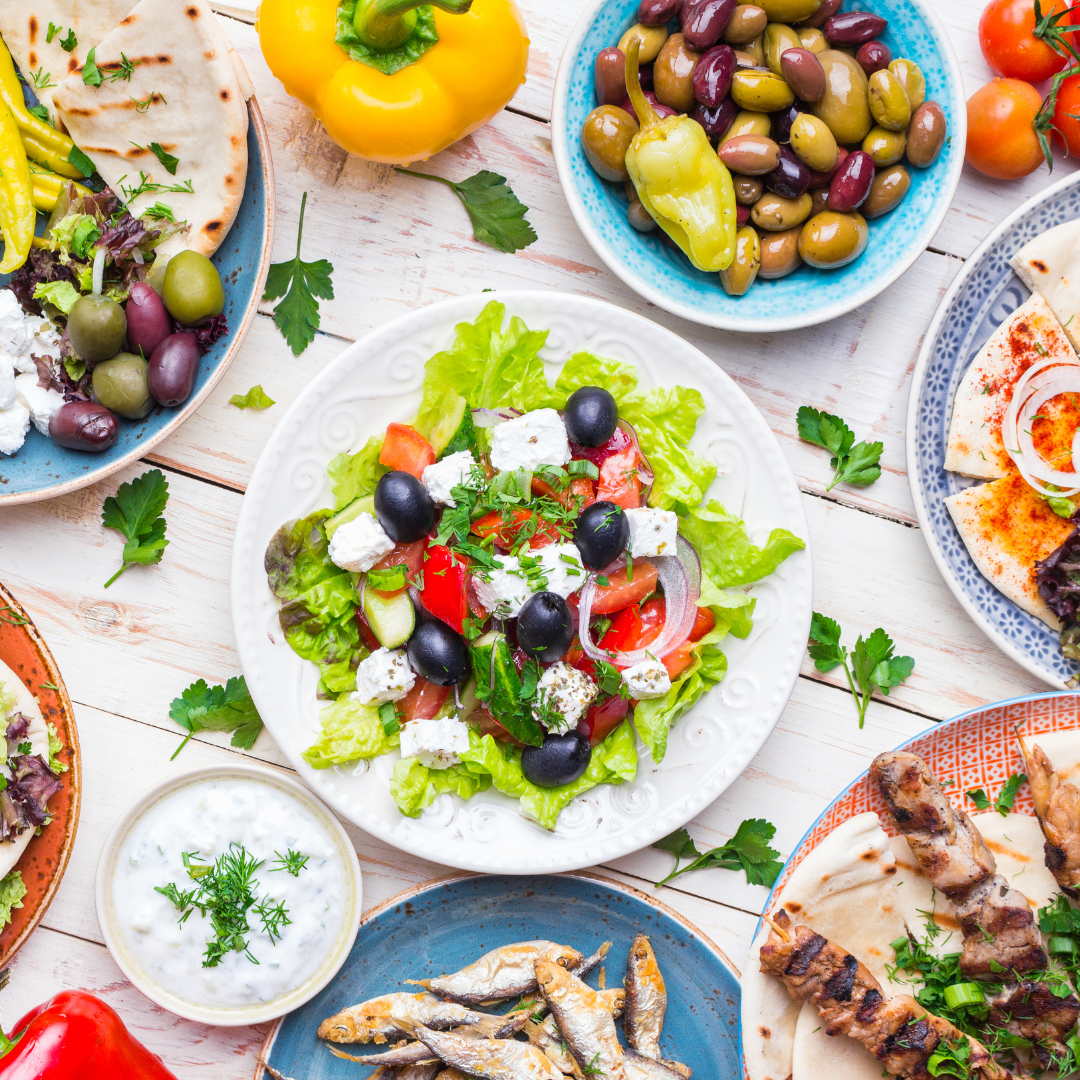
There’s strong evidence that certain eating patterns can help us live not just longer—but better.
The Nordic and Mediterranean diets consistently stand out. These approaches to eating are linked with:
Reduced risk of chronic disease
Improved mental wellbeing
Better heart health
Increased healthy lifespan
The good news? You don’t need to completely overhaul your diet to benefit. There are simple, practical lessons we can take from these ways of eating.
7 Simple Ways to Support Healthy Ageing Through Diet
1. Adjust Your Portion Sizes
You don’t need to drastically cut calories to improve your health.
Instead, focus on rebalancing your plate. Add an extra portion of vegetables and slightly reduce portions of rice, potatoes or pasta. This simple shift increases your intake of fibre, antioxidants and essential nutrients—without leaving you feeling deprived.
2. Eat More Fruit and Vegetables
Most of us are nowhere near hitting our five-a-day target.
Consistency matters more than perfection. Try:
Adding berries to your breakfast (fresh or frozen both work)
Including a side salad or soup with lunch
Adding an extra vegetable to your evening meal
Small additions throughout the day soon add up.
3. Rethink Snacking
If you snack, make it count.
Choose options that add nutritional value, such as fruit, nuts or vegetables. But it’s also worth asking yourself—are you eating out of hunger or habit?
Many of the world’s healthiest diets naturally avoid frequent snacking and instead focus on three balanced meals a day.
4. Include More Oily Fish
Oily fish is a cornerstone of both Nordic and Mediterranean diets—and for good reason.
Rich in omega-3 fatty acids, it supports:
Brain health and memory
Joint function
Heart health
Reduced inflammation
Aim to include oily fish three times a week. If that’s not possible, a daily fish oil (or vegan alternative) supplement may help—but always check with your GP or pharmacist if you’re taking medication, as interactions can occur.
5. Support Your Gut with Fermented Foods
A healthy gut microbiome plays a key role in ageing well—both physically and mentally.
Including fermented foods regularly can support gut health. Try adding:
Kefir
Kombucha
Sauerkraut
Kimchi
Live yoghurt
Even small daily amounts can make a difference.
6. Eat More Plants
A plant-based diet doesn’t mean you have to go vegetarian.
It simply means increasing the variety and quantity of plant foods on your plate. Beyond fruit and vegetables, include:
Beans and lentils
Nuts and seeds
Wholegrains
Herbs and spices
These foods are rich in fibre, vitamins and protective compounds that support long-term health.
7. Cut Back on Sugar and Ultra-Processed Foods
If there’s one area to be mindful of, it’s this.
High sugar intake, ultra-processed foods, excessive alcohol and smoking are all linked to faster ageing and increased risk of disease.
Reducing these can have a significant impact on how you feel now—and how you age in the future.
The Takeaway
Ageing well isn’t about perfection or extreme diets. It’s about consistent, realistic choices that support your body over time.
By making small, sustainable changes—eating more plants, improving the quality of your diet and being mindful of everyday habits—you can help extend not just your lifespan, but your healthspan too.
Because living longer is only part of the goal. Living well is what really matters.
About the author:
Jane McClenaghan is renowned for her down-to-earth, evidence-based approach to nutrition, making healthy eating practical and achievable for everyone.
With over 25 years of experience delivering group sessions for corporate clients and one-to-one consultations, she specialises in women’s health and has helped thousands of people transform their wellbeing through better nutrition.
As the author of two best-selling books and a familiar voice on local radio, Jane is passionate about translating the science of nutrition into real food on your plate and empowering others to make lasting, positive changes for their health.
Get in touch