What Is Methylation? Why This Tiny Process Has a Big Impact on Your Health
How are you feeling today?
You may never have heard of methylation, but it's happening inside your body every second of every day. In fact, it's one of the most important biochemical processes for keeping you healthy.
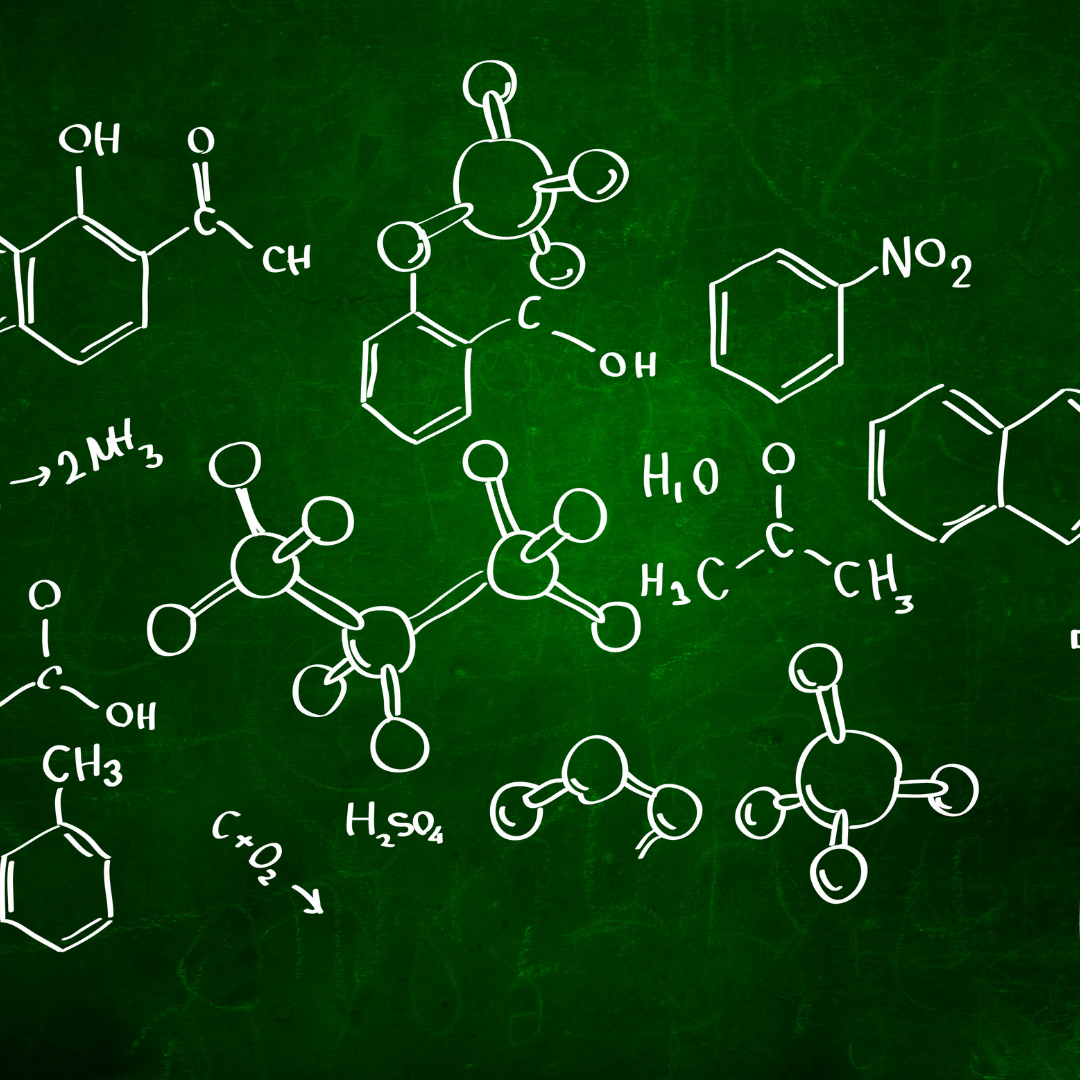
Although it sounds complicated, methylation is simply the process of adding a tiny chemical structure, called a methyl group, to other molecules in the body. This small step is essential for countless biochemical reactions that support everything from energy production and hormone balance to brain function and detoxification.
Scientists estimate that methylation reactions occur billions of times every second. Without them, many of the body's most important systems simply wouldn't function properly.
Over the past decade, methylation has become a hot topic thanks to advances in genetic testing. We now know that some people have genetic variations that can make methylation less efficient, while lifestyle and nutrition also play a significant role in how well these pathways work.
The exciting part is that, regardless of your genetics, there are plenty of practical ways to support healthy methylation through your diet and lifestyle.
Why Is Methylation So Important?
Methylation influences almost every aspect of health. It helps regulate hundreds of biochemical reactions that allow the body to function efficiently.
Some of its key roles include:
Supporting the production and function of neurotransmitters involved in mood, sleep and mental wellbeing.
Helping produce energy within our cells.
Supporting healthy hormone metabolism.
Promoting normal growth, repair and tissue maintenance.
Supporting bile production, which is essential for fat digestion and the absorption of vitamins A, D, E and K.
Maintaining healthy nerves and the protective myelin sheath that surrounds them, supporting normal brain function and cognition.
Supporting the production and function of immune cells.
Helping regulate histamine metabolism and immune responses.
Supporting the production of phospholipids, which form healthy cell membranes and allow cells to communicate effectively.
It's no surprise, then, that when methylation isn't working efficiently, it may affect multiple systems throughout the body.
When Methylation Isn't Working Well
Research continues to explore the role of methylation in health, and impaired methylation has been associated with a wide range of chronic health conditions, including cardiovascular disease, dementia, multiple sclerosis (MS), some cancers, depression, migraines, fibromyalgia and chronic fatigue.
It's important to remember that methylation is only one piece of a much bigger health picture. These conditions are complex and influenced by many factors, but supporting healthy methylation is one way we can help optimise overall wellbeing.
What Affects Methylation?
Our genes certainly play a role, but our daily habits can either support or hinder methylation.
Factors that may interfere with healthy methylation include:
Ongoing stress
A nutrient-poor diet
Excess sugar
Smoking
Too much alcohol
Poor digestion and nutrient absorption
Because methylation depends on a steady supply of vitamins and minerals, eating well is one of the most effective ways to support it.
The Nutrients Methylation Depends On
Several nutrients act as essential co-factors in methylation pathways.
These include:
Folate
Vitamin B12
Vitamin B6
Choline
Zinc
Magnesium
Optimising both your intake and your absorption of these nutrients helps ensure methylation can happen efficiently.
This is one reason why digestive health is so important. Even the best diet won't help if you're not absorbing the nutrients your body needs.
12 Simple Ways to Support Healthy Methylation
The science behind methylation is fascinating, but the practical advice is refreshingly straightforward.
Here are some simple habits that can help support healthy methylation every day.
1. Manage Your Stress
Chronic stress places a significant burden on the body and can interfere with methylation.
Find ways to regularly switch out of "fight or flight" mode. Whether that's walking in nature, reading a book, calling a friend or simply taking a few quiet moments for yourself, stress management isn't a luxury—it's an essential part of good health.
2. Prioritise Sleep
A good night's sleep gives your body time to restore, repair and carry out many of its essential maintenance processes.
Consistent, restorative sleep supports overall health, including healthy methylation.
3. Move Every Day
Daily movement supports countless aspects of health.
Whether it's walking, swimming, cycling, strength training or gardening, choose activities you enjoy and can do consistently.
4. Try Hot and Cold Exposure
The growing interest in saunas and cold-water swimming isn't just a passing trend.
Emerging research suggests that both heat and cold exposure may have beneficial effects on health and may help support processes involved in healthy ageing and cellular function.
5. Eat Dark Green Leafy Vegetables Every Day
Leafy greens are among the richest dietary sources of folate, one of the key nutrients required for methylation.
Spinach, kale, broccoli, rocket, chard and spring greens all make excellent choices.
6. Include Choline-Rich Foods
Choline is an often-overlooked nutrient that's essential for methylation.
Eggs and liver are two of the richest food sources. If you don't eat these foods, check whether your multivitamin contains choline, or speak with a qualified nutrition professional about whether supplementation may be appropriate for you.
7. Reduce Pro-Inflammatory Foods
Limiting highly processed foods, excess sugar and other foods that don't agree with you may help reduce the burden on your body's metabolic processes.
Rather than aiming for perfection, focus on eating mostly whole, minimally processed foods.
8. Eat Regular Meals
Try not to skip meals, and aim for a consistent eating pattern.
Allowing around 12–14 hours overnight without eating gives your digestive system a chance to rest. There's no need to take intermittent fasting to extremes—gentle consistency is often enough.
9. Don't Fear Healthy Fats
Healthy fats provide important building blocks for cell membranes and overall health.
Include foods such as extra virgin olive oil, oily fish, avocado, nuts and seeds regularly.
10. Add More Colour to Your Plate
Kiwis, beetroot and sweet potatoes all provide nutrients that support choline metabolism and methylation pathways.
The more colourful your plate, the wider the variety of beneficial nutrients you'll consume.
11. Go Easy on Alcohol and Caffeine
Keeping alcohol and caffeine in moderation can support overall health.
If you're looking for alternatives, alcohol-free beers, kombucha or botanical drinks such as Botivo or Mother Root mixed with sparkling water can make enjoyable substitutes.
12. Choose Supplements Carefully
If you take a multivitamin, it's worth checking the ingredients list.
Look for methylated forms of folate and vitamin B12, listed as methylfolate and methylcobalamin, as these forms are readily available for the body to use.
Small Changes Can Make a Big Difference
Methylation may sound like complicated biochemistry, but supporting it doesn't have to be complicated.
Eating a nutrient-rich diet, managing stress, prioritising sleep, moving your body and giving your digestive system the nutrients it needs all contribute to healthy methylation.
Like so many aspects of nutrition, it's the small things we do consistently that have the greatest impact over time.
Your body is carrying out billions of methylation reactions every second. Looking after yourself with good food and healthy habits is one of the best ways to help those remarkable processes continue to do their job.
A quick note on genetic testing
You may have heard of genes such as MTHFR, which are involved in methylation. While genetic testing can provide useful information in some situations, it's important not to assume that having a genetic variation means you will develop health problems. Lifestyle, diet and other environmental factors have a significant influence on how these pathways function, which is why focusing on the foundations of good nutrition and healthy living remains the best place to start.
About the author:
Jane McClenaghan is renowned for her down-to-earth, evidence-based approach to nutrition, making healthy eating practical and achievable for everyone.
With over 25 years of experience delivering group sessions for corporate clients and one-to-one consultations, she specialises in women’s health and has helped thousands of people transform their wellbeing through better nutrition.
As the author of two best-selling books and a familiar voice on local radio, Jane is passionate about translating the science of nutrition into real food on your plate and empowering others to make lasting, positive changes for their health.
Get in touch