Blood Sugar Balance: The Foundation of Better Energy, Mood and Long-Term Health
How are you feeling today?
Did you wake up refreshed and ready to take on the day? Is your energy steady from morning through to evening, or do you find yourself reaching for another coffee or something sweet to get you through the afternoon? How are your mood, focus and appetite?
The answer to many of these questions could come down to one thing: your blood sugar balance.
Balanced blood sugar is about much more than preventing diabetes. It influences your energy, mood, concentration, sleep, appetite and cravings, and it plays an important role in reducing your long-term risk of chronic disease. From type 2 diabetes and cardiovascular disease to some forms of cancer, the relationship between blood glucose and insulin matters.
The good news? You don't need to follow a restrictive diet or count every gram of carbohydrate. A few simple changes to the way you build your meals can make a noticeable difference to how you feel, often within just a few days.
Why Blood Sugar Balance Matters
When your blood sugar is well balanced, you are much more likely to feel energised, focused and satisfied after meals. Your energy stays steadier, your mood is more balanced and those constant cravings for sugary snacks tend to disappear.
When it's out of balance, it's a different story. Blood sugar highs and lows can leave you feeling tired, irritable, anxious and hungry. You may experience energy crashes, broken sleep and find yourself constantly battling cravings. It can feel like a never-ending cycle.
The key is not simply avoiding sugar. Instead, it's about eating in a way that helps your body manage blood glucose and insulin more effectively.
Start with the Three Blood Sugar Stabilisers
The simplest place to begin is by making sure every meal contains the three nutrients that help keep blood sugar on an even keel:
Protein
Fibre
Healthy fats
Together, these help you feel fuller for longer, slow the release of glucose into the bloodstream and support a healthier insulin response.
Aim for around a quarter of your plate to be protein. This could include:
Meat
Fish
Chicken
Eggs
Greek yoghurt
Cheese
Tofu
Nuts and seeds
Next, think about fibre. Vegetables should be the star of the show, but fruit, pulses, wholegrains, nuts and seeds all contribute too.
Finally, don't be afraid of healthy fats. A drizzle of extra virgin olive oil, a handful of nuts or seeds, some avocado or oily fish all help make meals more satisfying while supporting blood sugar balance.
Rethink Your Carbohydrate Portions
Carbohydrates aren't the enemy, but many of us simply eat more than we need.
Even healthy carbohydrates such as wholegrain bread, brown rice and oats raise blood glucose. The difference is that higher fibre options tend to release their energy more slowly.
A good guide is to keep your starchy carbohydrate portion to roughly the size of your fist, choose the highest fibre version wherever possible and avoid doubling up.
Think about meals such as:
Pasta with garlic bread
Curry with rice and naan
A baked potato served with chips
These combinations can easily overload the plate with carbohydrate.
Instead, make small, realistic swaps.
Serve yourself one spoonful less pasta and one spoonful more Bolognese. Have one less potato and an extra serving of vegetables or salad. Reduce your rice slightly and add more chilli or curry.
You won't feel deprived, but your blood sugar will thank you.
Build Meals That Actually Keep You Full
One of the biggest reasons people snack isn't because they lack willpower.
It's because they haven't eaten enough of the right foods at their previous meal.
A balanced breakfast, lunch or dinner should comfortably keep you satisfied for around four to five hours.
If you regularly find yourself craving biscuits with your afternoon cup of tea or searching for chocolate by 3pm, it's worth taking a closer look at your lunch.
Many people eat far too lightly at lunchtime. A small sandwich or salad without enough protein simply isn't enough to fuel the afternoon.
In fact, I often encourage people to make lunch their biggest meal of the day. It provides the energy you need when you're most active and can help prevent that familiar afternoon slump.
Cut Down on Snacking
Once your meals are balanced, you'll often find you naturally need fewer snacks.
Aim for three satisfying meals a day and, once dinner is finished, try to close the kitchen for the evening rather than grazing into the night.
If you do fancy something sweet, it's much better to enjoy it immediately after a meal than on its own between meals. The protein, fibre and healthy fats you've already eaten help buffer the release of sugar into the bloodstream, leading to a gentler rise in blood glucose.
What Does a Blood Sugar Friendly Day Look Like?
Here are a few simple meal ideas that put these principles into practice.
Breakfast
Around 150g of Greek yoghurt topped with berries, chia or flaxseeds and a sprinkle of low-sugar granola (look for one with less than 5g of sugar per 100g).
Lunch
A colourful summer salad packed with a wide variety of vegetables, your choice of protein, a generous drizzle of olive oil and balsamic vinegar, served with oatcakes, a wholemeal pitta or a modest portion of brown rice.
Dinner
If you're making a family favourite such as chilli or spaghetti Bolognese, simply increase the portion of the meat or bean sauce and reduce the rice or pasta slightly. If potatoes are on the menu, have one a little smaller than usual and fill the extra space with vegetables or salad.
These are small changes that don't feel restrictive, but they can make a real difference.
It Shouldn't Feel Like a Battle
One of the biggest misconceptions about reducing sugar is that it requires enormous willpower.
In reality, when your meals contain enough protein, fibre and healthy fats, your body is far less likely to send you searching for sugary snacks.
Most cravings aren't a sign of weakness. They're often a sign that your previous meal didn't provide enough sustained nourishment.
Get the balance right, and healthy eating becomes much easier.
Curious About Your Own Blood Sugar?
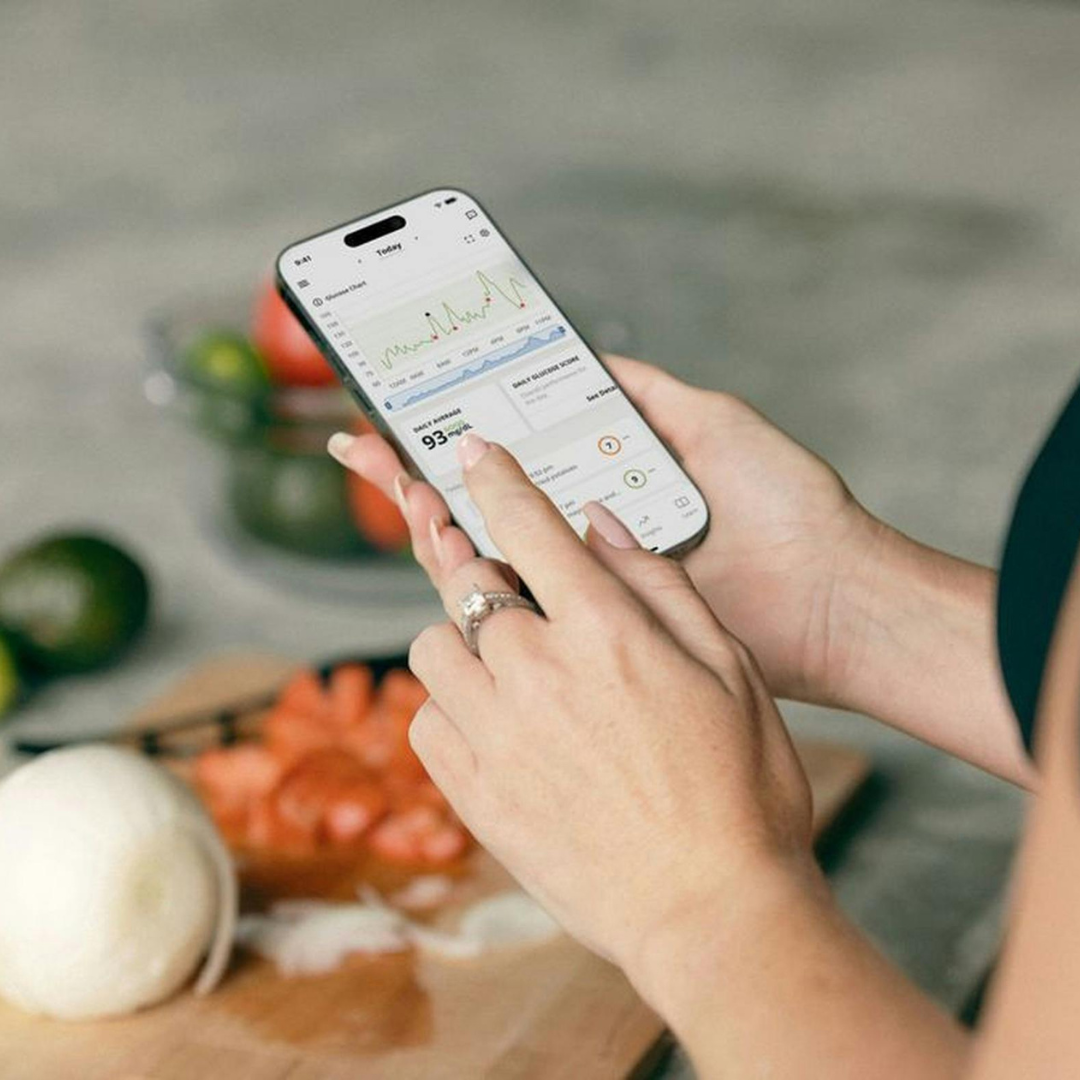
If you're interested in understanding how your body responds to different foods, wearing a continuous blood glucose monitor for a couple of weeks can be incredibly insightful.
It provides real-time feedback on how your meals, activity, sleep and stress affect your blood glucose levels, helping you make personalised changes that work for your body.
The monitor I use with many of my clients is Lingo, and it can be a useful tool for anyone wanting to better understand their blood sugar patterns alongside healthy lifestyle changes.
Small adjustments really do add up. By building balanced meals, choosing sensible portions of carbohydrate and eating enough to properly fuel your day, you can support steadier energy, fewer cravings, better mood and improved long-term health.
And perhaps best of all, healthy eating starts to feel much easier.
About the author:
Jane McClenaghan is renowned for her down-to-earth, evidence-based approach to nutrition, making healthy eating practical and achievable for everyone.
With over 25 years of experience delivering group sessions for corporate clients and one-to-one consultations, she specialises in women’s health and has helped thousands of people transform their wellbeing through better nutrition.
As the author of two best-selling books and a familiar voice on local radio, Jane is passionate about translating the science of nutrition into real food on your plate and empowering others to make lasting, positive changes for their health.
Get in touch