The Power of Fibre: Why You Should Be Eating More Than You Think
When you hear the word “fibre,” branflakes, prunes, and regular trips to the bathroom might spring to mind. But fibre is so much more than just a digestive aid – it’s a true nutritional powerhouse with benefits that extend from weight management to mental health. Incorporating more fibre into your diet can support overall wellbeing in ways you might not expect.
What Is Fibre?
Fibre is the indigestible part of plant foods. Essentially, it passes through your digestive system mostly intact, helping your body work more efficiently. The more plant-based foods you include in your diet, the higher your fibre intake is likely to be.
There are two main types of fibre: soluble and insoluble, and both play important roles in your health.
Insoluble Fibre
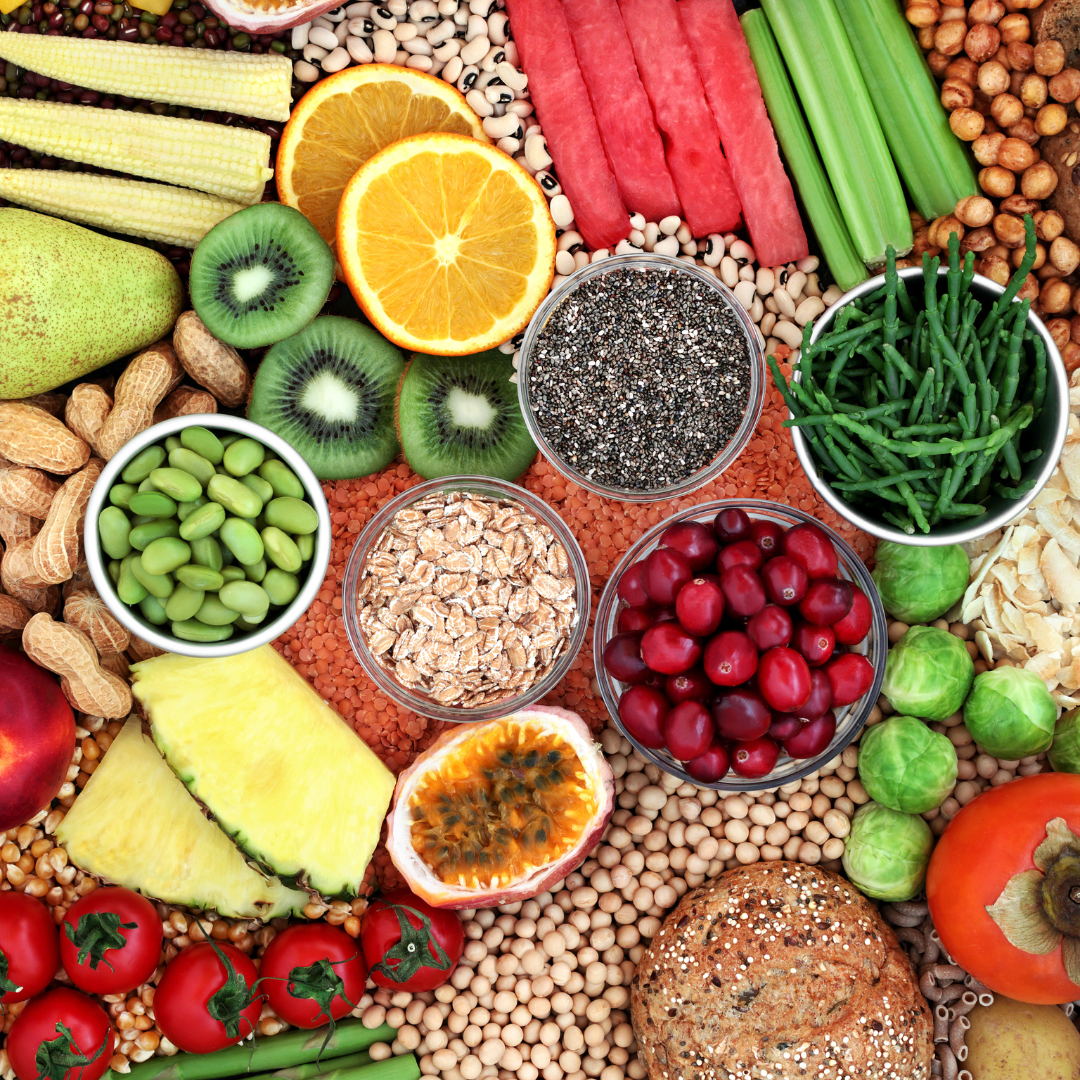
Insoluble fibre is found in the outer husk of wholegrains, nuts and seeds, and the skins of fruits and vegetables. Its main role? Supporting digestion. Insoluble fibre adds bulk to your stool and helps keep things moving smoothly, reducing the risk of constipation and promoting a healthy gut.
Soluble Fibre
Soluble fibre, on the other hand, dissolves in water to form a gel-like substance. It’s present in foods like oats, beans, lentils, fruit, vegetables, and seeds. Soluble fibre has a range of health benefits, including:
Appetite regulation: Helps you feel fuller for longer, supporting weight management.
Blood sugar control: Aids in balancing blood sugar and insulin levels, which may help prevent type 2 diabetes.
Heart health: Can help lower cholesterol and support cardiovascular function.
Hormonal balance: Plays a role in maintaining healthy hormone levels.
Gut microbiome support: Feeds beneficial gut bacteria, promoting a balanced and healthy digestive system.
Most plant foods contain a mix of both soluble and insoluble fibre, so a varied diet will naturally give you a good balance.
How Much Fibre Do We Really Need?
For adults, the recommended daily intake of fibre is 30g per day. However, research suggests that most of us fall far short – the average intake in the UK is only around 18g per day, with just 10% of the population reaching the recommended level.
The good news? Hitting 30g a day isn’t complicated, and small adjustments can make a big difference.
How to Increase Your Fibre Intake
Rather than obsessing over numbers, it’s easier to focus on simple, practical ways to get more fibre into your daily routine. Here’s how:
1. Eat More Fruit and Vegetables
Aim for at least five portions of fruit and vegetables per day. You can easily fit these in by:
Adding a portion of fruit to your breakfast.
Including soups or salads at lunchtime.
Adding an extra portion of vegetables at dinner.
Where possible, leave the skins on – that’s where much of the insoluble fibre is.
2. Incorporate Pulses
Beans, lentils, and chickpeas are excellent sources of soluble fibre. They’re also budget-friendly and versatile. Ideas include:
Lentil soups or stews.
Chickpea curries or houmous.
Adding puy lentils to bolognese or extra red kidney beans to chilli.
Tinned or pouch-packed pulses are convenient and quick to add to meals, making it easy to boost fibre without extra fuss.
3. Snack on Nuts and Seeds
Nuts and seeds are another fibre-rich option. Try:
Adding milled flaxseed to your breakfast cereal.
Sprinkling toasted seeds on salads or soups.
Enjoying a small handful of nuts as a snack.
Using nut butters on oatcakes as a fibre-packed, low-sugar alternative to biscuits.
4. Choose Wholegrains
Swapping refined carbohydrates for wholegrains is a simple way to increase fibre intake. Options include:
Wholemeal pasta, brown rice, oats, and barley.
Alternative grains like quinoa, buckwheat, or rye.
Be cautious with breakfast cereals marketed as “high fibre,” as many are loaded with sugar, which can negate the health benefits.
Important Tips When Increasing Fibre
Increasing your fibre intake is beneficial, but it’s important to do it gradually. A sudden jump can cause bloating, gas, and digestive discomfort, so increase intake slowly and allow your body to adjust.
Also, fibre works best when combined with adequate hydration. Drinking plenty of water helps the fibre do its job effectively, keeping your digestion smooth.
Some people may have difficulty tolerating high-fibre diets, particularly those with digestive conditions like diverticulitis, IBS, Crohn’s disease, or ulcerative colitis. If you’re unsure, it’s best to consult your GP before making significant changes.
The Bottom Line
Fibre isn’t just about keeping your bowels regular. It’s a vital nutrient that supports heart health, blood sugar balance, appetite regulation, hormonal health, and a thriving gut microbiome. By gradually increasing your intake of fruit, vegetables, pulses, nuts, seeds, and wholegrains, you can easily reach the recommended 30g a day.
Remember, small changes can make a big difference. Start with manageable tweaks, like adding an extra portion of vegetables to dinner, snacking on a handful of nuts, or switching to wholegrain pasta. Over time, these simple steps will boost your fibre intake and support long-term health – and you might just discover that fibre is a lot more exciting than you thought.
About the author:
Jane McClenaghan is renowned for her down-to-earth, evidence-based approach to nutrition, making healthy eating practical and achievable for everyone.
With over 25 years of experience delivering group sessions for corporate clients and one-to-one consultations, she specialises in women’s health and has helped thousands of people transform their wellbeing through better nutrition.
As the author of two best-selling books and a familiar voice on local radio, Jane is passionate about translating the science of nutrition into real food on your plate and empowering others to make lasting, positive changes for their health.
Get in touch