Super Healthy Kids: Simple, Realistic Family Nutrition Tips
It’s astonishing how well-informed children are about food and nutrition these days. Last week I headed to Moira to deliver nutrition workshops in a couple of local schools as part of a shared education programme, and I came away genuinely impressed.
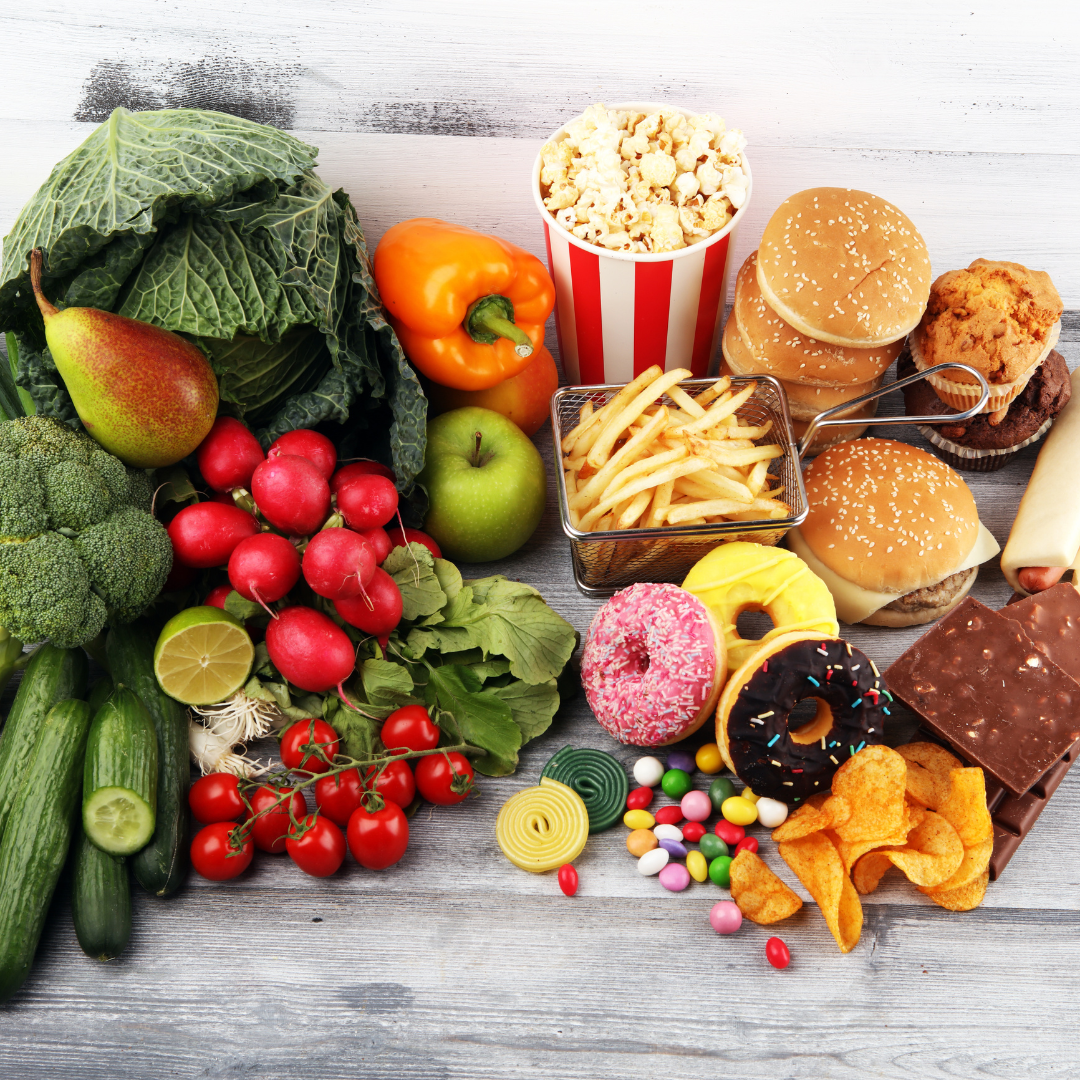
Ten and eleven-year-olds know far more about nutrition than we often give them credit for. The message around a balanced plate, food groups, and “eating a rainbow” has clearly landed. These basics are well understood and form a strong foundation. But despite this knowledge, we still know that many children’s diets are higher in sugar, fat, and processed foods than is ideal, and that most kids still don’t manage to reach their recommended “five a day” for fruit and vegetables.
So there is a clear gap between knowledge and daily habits.
Why early nutrition habits matter
What children eat in their early years sets the tone for their long-term health outcomes. Establishing good habits from a young age is important for a child’s development, behaviour, energy levels, and overall wellbeing. Food is not just fuel—it plays a role in how children grow, learn, and function day to day.
This isn’t about pointing fingers or placing blame. It’s important to recognise the reality that families are navigating today. We are living in a society where ultra-processed foods are everywhere, advertising for unhealthy options is constant, and the cost of food continues to rise.
In that context, most parents I speak to are doing their very best to feed their family something that will actually get eaten at the end of a long, busy working day. It is not easy. Getting dinner on the table can feel like a daily negotiation, especially when everyone is tired and hungry.
The good news is that healthy eating does not need to be complicated. There are practical shortcuts, simple systems, and small changes that can make a real difference without adding pressure. Here are some realistic, family-friendly ideas.
Keep it simple
One of the most effective ways to reduce stress around mealtimes is planning. A simple weekly meal plan for family dinners can take a huge amount of pressure off midweek decision-making. It helps you know what you need to buy, makes better use of what you already have, and reduces last-minute panic cooking.
Planning ahead means you are deciding what to cook when things are calm, not standing in the kitchen at 6pm facing hungry children asking “what’s for dinner?” It’s a small change, but it makes a big difference.
Cook once, eat twice
Leftovers can be your best friend, even if you have fussy eaters who don’t love the idea of “the same dinner twice”.
Instead of thinking of it as repetition, think of it as reinvention. For example, chilli and rice one night can become the base for fajitas the next. Roast chicken can turn into chicken pesto pasta. Spaghetti bolognese might become a loaded baked potato filling the following day.
This approach saves time, reduces waste, and takes the pressure off cooking from scratch every single night.
Take shortcuts where you can
Healthy eating does not mean everything has to be freshly prepared from scratch. Smart shortcuts can make cooking quicker and more manageable.
Frozen vegetables are a brilliant option—no peeling, chopping, or waste. Tinned pulses and ready-cooked lentils are perfect for bulking out stews, curries, and chillies. Pre-cooked wholegrains can form the base of a quick salad or a fast meal.
A simple example is a quick egg-fried rice: use a pouch of cooked rice, add frozen peas, spinach, leftover chicken, and whisked eggs. Stir through soy sauce, garlic, ginger, and a pinch of chilli flakes. In minutes, you have a nutritious, balanced meal without the stress.
Have a list of easy go-to meals
Every family benefits from a small collection of reliable, low-effort meals that always go down well. These don’t need to be fancy—they just need to work.
Think simple options like stir-fries, pasta dishes, or eggs on toast. These meals are quick, familiar, and flexible, making them ideal for busy evenings when energy is low but hunger is high.
Get the basics right
A simple structure can take the guesswork out of mealtimes. Aim for:
A protein source (meat, fish, chicken, tofu, or pulses)
A carbohydrate (potatoes, rice, pasta, noodles, or bread)
One or two portions of vegetables (fresh or frozen)
That’s it. No need to overcomplicate things. If you can build a plate around those basics, you are already on the right track. Adding fruit afterwards is a simple way to help tick off another portion towards the five-a-day target.
Create an environment that supports healthy choices
Small environmental changes at home can make healthier choices easier without constant negotiation.
Keep a fruit bowl visible and accessible so children can help themselves. Offer water at mealtimes instead of sugary drinks like cordial, juice, or fizzy drinks. Try to reduce the presence of sweets, chocolate, and biscuits in everyday snacking and replace them with more nourishing options like yoghurt, dried fruit, or oatcakes with cheese.
When healthier options are easy to see and reach, they are far more likely to be chosen.
Change the way we talk about food
The language we use around food matters more than we might think. Labelling foods as “good” or “bad” can create unnecessary guilt or confusion. A more helpful approach is to talk about “everyday foods” and “sometimes foods”.
This helps children understand that all foods can fit into a balanced diet, but some are eaten more regularly than others. It encourages a healthier relationship with food without judgement or restriction.
It’s all about balance
No one eats perfectly all the time, and that’s completely okay. Some days dinner will be homemade and balanced, other days it might be pizza—and that is part of real life.
Healthy eating is not about perfection. It is about balance over time. Small, consistent changes are what make the difference, not strict rules or pressure.
So start where you are. Pick one thing that feels manageable, give it a go, and build from there. Over time, those small changes add up to something meaningful—for both children and the whole family.
About the author:
Jane McClenaghan is renowned for her down-to-earth, evidence-based approach to nutrition, making healthy eating practical and achievable for everyone.
With over 25 years of experience delivering group sessions for corporate clients and one-to-one consultations, she specialises in women’s health and has helped thousands of people transform their wellbeing through better nutrition.
As the author of two best-selling books and a familiar voice on local radio, Jane is passionate about translating the science of nutrition into real food on your plate and empowering others to make lasting, positive changes for their health.
Get in touch