Consistency Over Perfection: A Healthy Approach to Eating After the Holidays
The past few weeks have been full of the kind of moments that make life feel rich — a mini break abroad, Easter celebrations, birthdays, and a beautiful friend’s wedding. Naturally, these occasions came with plenty of delicious food: birthday cake, Italian meals, cocktails, prosecco, extra carbs, and some truly incredible ice cream.
And that’s exactly as it should be.
Life’s high days and holidays are often centred around food. It’s how we connect, celebrate, and create memories. But enjoying these moments doesn’t mean we need to “make up for it” afterwards with strict diets or restrictive rules.
Instead, it’s about returning to what feels normal.
When we eat well to feel well, our everyday food choices become naturally balanced. There’s no need to punish ourselves with bland meals or survive on lettuce just because we enjoyed a celebration at the weekend. Healthy eating isn’t something we switch on and off — it’s simply our baseline.
When we fuel our bodies with what they truly need, we tend to gravitate towards nourishing foods anyway. These foods give us energy, support our mood, reduce cravings, and help us feel our best. It’s not about willpower — it’s about how good it feels to look after ourselves.
Over the past week, I’ve spoken to many friends and clients who, like me, took time out over Easter to relax and enjoy themselves. One phrase kept coming up again and again: “It’s time to get back to normal.”
What’s interesting is the shift in language. No one is saying, “I fell off my diet” or “I’ll start again on Monday.” There’s no labelling of foods as “good” or “bad,” and no guilt over a few extra chocolates. Instead, there’s an understanding that healthy eating is simply their usual way of living — not a temporary diet.
And that’s where the real magic lies.
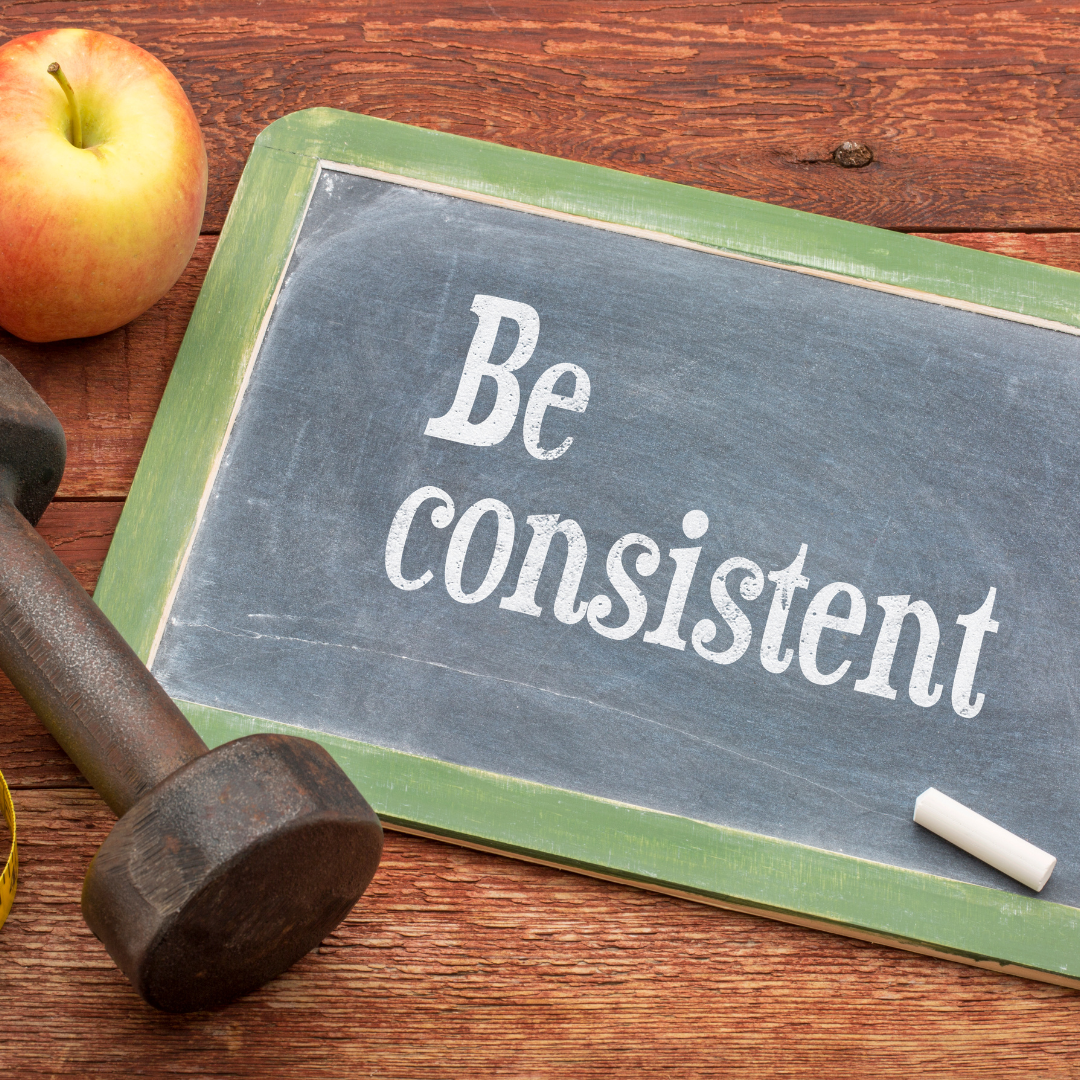
Consistency will always win over quick fixes, rigid plans, or extreme diets. The goal isn’t perfection — it’s balance. It’s about creating a way of eating that feels sustainable, enjoyable, and supportive of your wellbeing. The 80:20 approach works beautifully here: eating nourishing foods most of the time, while leaving space for celebrations and spontaneity.
When we begin to see healthy eating as a form of self-care rather than a punishment, everything changes. It becomes something we want to do, not something we feel forced into.
Here are some simple, realistic habits that help me maintain that rhythm and return to feeling good — without restriction.
Keep mealtimes regular
Try to eat at roughly the same times each day and avoid skipping meals. Regular mealtimes help maintain stable blood sugar levels. When we go too long without eating, blood sugar can dip, triggering an adrenaline response. This often leaves us feeling irritable, craving sugary foods, and struggling to concentrate.
Eat enough at main meals
Undereating is one of the biggest drivers of cravings. Make sure your meals include enough protein and fibre to keep you satisfied. This combination helps stabilise blood sugar, keeps you feeling full for longer, and gives you steady energy to carry you through to your next meal.
Reduce mid-meal snacking
When your meals are balanced and filling, the urge to snack often disappears naturally. Protein and fibre slow digestion, helping you feel fuller for longer and reducing the temptation for mid-morning or mid-afternoon snacks.
Start the day with protein
A protein-rich breakfast can make a noticeable difference to how you feel throughout the day. It supports steady energy levels and helps avoid that mid-afternoon slump. Options like Greek yoghurt, eggs, nuts, and seeds are simple, effective choices that set the tone for the day ahead.
Stay hydrated
Fatigue is often the first sign of dehydration. Keeping your fluid intake up can have a big impact on your energy, focus, and overall wellbeing. Keep a water bottle nearby or enjoy herbal teas throughout the day to stay on track.
Prepare a ‘super salad’ for busy days
Having something ready to go can make all the difference when life gets busy. A large, nourishing salad can easily last two or three days. Fill it with a variety of colourful vegetables, add nuts and seeds for crunch, include some fruit for freshness, and finish with a good dressing or olive oil. Add a protein source such as chicken, fish, cheese, or legumes to make it a complete, satisfying meal.
Move after eating
Gentle movement after meals can support digestion and help regulate blood sugar levels. Even a short 10-minute walk can make a difference. With lighter evenings, a post-dinner walk can also be a lovely way to unwind and reset after the day.
Ultimately, the key is to tune into how food makes you feel. When you focus on eating for your energy, mood, and mental clarity — rather than purely for weight loss — your motivation shifts. It becomes less about rules and more about respect for your body.
This mindset doesn’t change overnight. It takes time, practice, and patience. But these are the habits that last.
So enjoy the celebrations. Say yes to the cake, the meals out, and the moments that matter. Then trust yourself to return to your usual rhythm — not out of guilt, but because it makes you feel good.
Because in the long run, it’s not restriction that creates lasting health and wellbeing.
It’s consistency.
About the author:
Jane McClenaghan is renowned for her down-to-earth, evidence-based approach to nutrition, making healthy eating practical and achievable for everyone.
With over 25 years of experience delivering group sessions for corporate clients and one-to-one consultations, she specialises in women’s health and has helped thousands of people transform their wellbeing through better nutrition.
As the author of two best-selling books and a familiar voice on local radio, Jane is passionate about translating the science of nutrition into real food on your plate and empowering others to make lasting, positive changes for their health.
Get in touch