Springtime Eating: What’s in Season in the UK?
This week, I did something unusual – I shopped in a different supermarket from my usual one. As I browsed the fruit and veg aisle, I was struck by how much of the produce had travelled from places like Chile and Morocco – countries I would love to visit, but perhaps not via my weekly shop.
Much of the food looked immaculate and had clearly travelled well. Yet often that long journey comes at a cost: flavour can be compromised, nutritional value reduced, and the environmental impact increased – not to mention the layers of plastic packaging that seem to accompany so much imported produce.
We all enjoy variety on our plates. And in today’s world, we can buy almost any fruit or vegetable at any time of year. But in doing so, many of us have lost touch with a simple instinct: knowing what’s actually in season.
Unless you’re a farmer, gardener or grower, it’s surprisingly easy to forget the natural rhythm of the seasons.
Why Eating Seasonally Matters
I fully appreciate the convenience of being able to buy what we want, when we want it – I’m no different. But eating more seasonally offers real benefits for our palate, our planet and our health.
When we reconnect with seasonal eating, we begin to enjoy food as it’s meant to taste. Produce that is allowed to ripen naturally in the ground or on the plant develops deeper flavour and richer colour. It is also more likely to contain higher levels of vitamins, minerals and important antioxidants.
Green leafy vegetables, for example, are packed with folate, magnesium and iron. Fruit is rich in vitamin C and polyphenols. These nutrients are sensitive to time and storage. The longer food is transported or stored, the more nutrients can be lost. In contrast, ingredients with fewer food miles and a lower carbon footprint are often more nutrient dense.
The same natural compounds that give plants their vibrant colours, aromas and flavours – particularly polyphenol antioxidants – play a key role in supporting a healthy gut microbiome, strengthening our immune system and contributing to overall wellbeing.
Seasonal food is not just better for the environment. It is better for us.
Seasonal Eating Doesn’t Have to Mean Ultra-Local
Eating seasonally doesn’t mean everything has to be grown on your doorstep (although we are fortunate to grow some of the best produce in the UK).
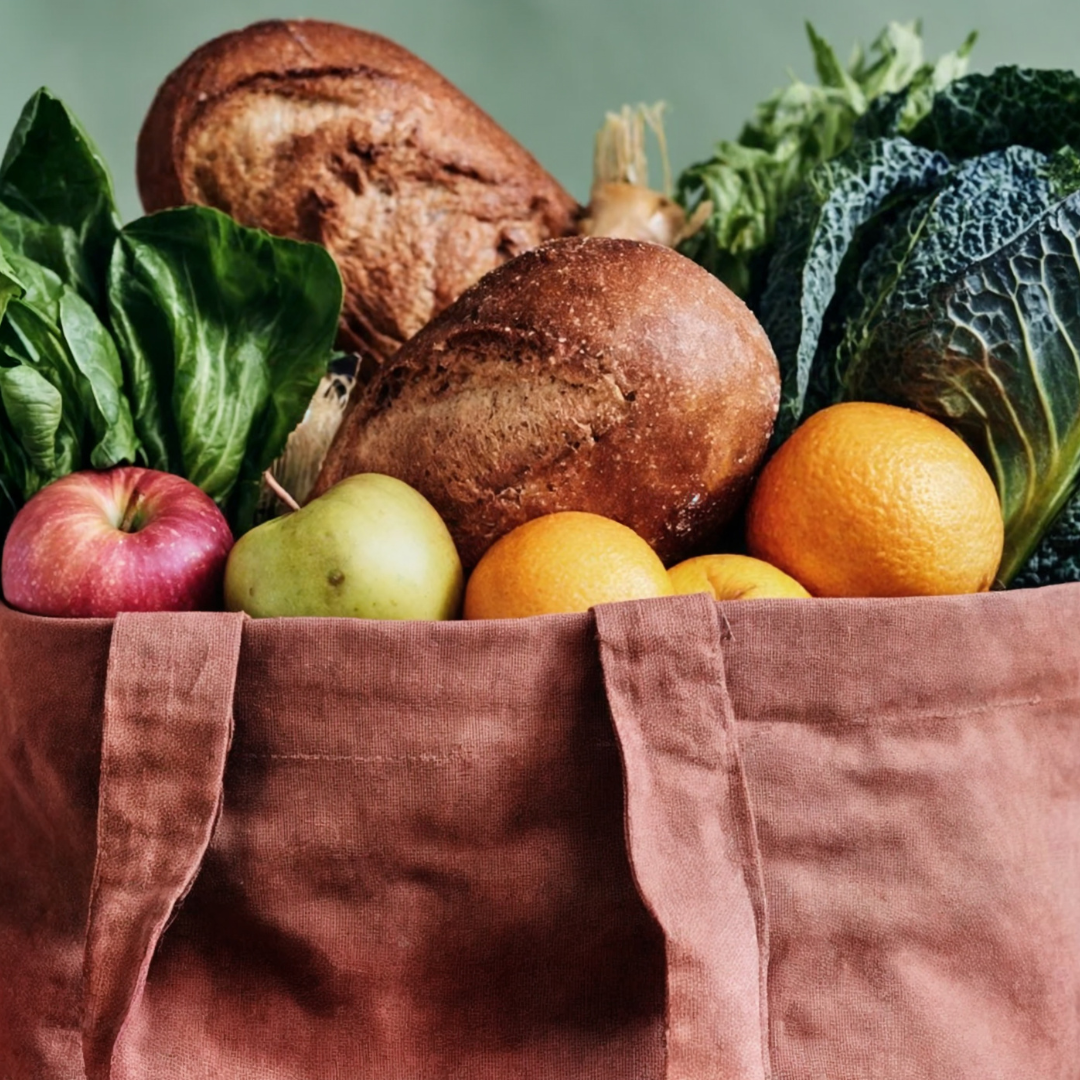
February, for instance, is peak season for oranges, clementines and blood oranges. Blood oranges in particular have a short season – so now is the time to enjoy them while they’re at their best. Grapefruit and pomegranates are also excellent at this time of year. While these fruits are imported, they are typically grown in Europe during our winter months, rather than shipped from the southern hemisphere.
Paying attention to origin can make a meaningful difference. Apples from Armagh rather than New Zealand. Oranges from Seville instead of South America. Small shifts like this support more sustainable choices while still giving us variety.
Seasonal eating is about awareness, not restriction.
What’s in Season in Early Spring (UK)
As we move gently from winter into spring, the UK still offers a wonderful range of hearty, nourishing produce. Right now is a fantastic time for:
Green Vegetables
Brussels sprouts
Kale
Cabbage
Leeks
Sprouting broccoli
Watercress
Rocket
Spinach
Root Vegetables
Celeriac
Jerusalem artichoke
Parsnips
Turnips
Beetroot
Carrots
Other Vegetables
Cauliflower
Chicory
Celery
Onions
Fruit
Oranges (including blood oranges)
Grapefruit
Kiwi
Lemons
Rhubarb
Pomegranate
Root vegetables are particularly valuable at this time of year – grounding, versatile and perfect for soups, stews and roasted dishes. Early spring greens, leeks and kale add freshness and colour as the days begin to lengthen.
In the coming weeks, we’ll start to see even greater variety appearing, but there is already plenty to enjoy.
Supporting Local Growers
One of the simplest ways to reconnect with seasonal food is to shop in local farm shops or sign up for a veg box delivery from nearby growers. These boxes often reflect exactly what is growing at that moment, encouraging you to cook creatively with what nature provides.
It can feel different at first if you’re used to choosing from a global supermarket selection. But it can also be surprisingly satisfying. Cooking seasonally invites us to slow down, experiment and appreciate ingredients at their peak.
The Nutritional Case for Seasonal Produce
From a nutritional perspective, seasonal produce is hard to beat.
Fresh, recently harvested vegetables are more likely to retain water-soluble vitamins such as vitamin C and folate. Minerals such as magnesium and iron are abundant in leafy greens like kale and spinach. Brightly coloured fruit and vegetables contain polyphenols and other phytonutrients that contribute to gut health and immune resilience.
When produce ripens naturally and is eaten close to harvest, we benefit not only from improved flavour but also from a richer nutrient profile. That vibrant colour on your plate is often a sign of valuable plant compounds working behind the scenes to support your health.
In short, seasonal eating is one of the simplest ways to enhance nutrient density without overcomplicating your diet.
A Gentle Step Towards Spring
As we ease into springtime, this is a wonderful moment to reset our habits and tune back into the natural cycle of food. Notice where your produce comes from. Look for British brassicas in winter and spring. Enjoy apples in autumn. Savour blood oranges while they last.
You might even consider growing something yourself. It doesn’t have to mean a full vegetable patch. A pot of herbs on the windowsill or a tray of seasonal salad leaves can be a simple and rewarding place to start.
Seasonal eating isn’t about perfection. It’s about awareness, flavour and nourishment – for ourselves and for the planet.
And as spring begins to unfold, there is no better time to start.
About the author:
Jane McClenaghan is renowned for her down-to-earth, evidence-based approach to nutrition, making healthy eating practical and achievable for everyone.
With over 25 years of experience delivering group sessions for corporate clients and one-to-one consultations, she specialises in women’s health and has helped thousands of people transform their wellbeing through better nutrition.
As the author of two best-selling books and a familiar voice on local radio, Jane is passionate about translating the science of nutrition into real food on your plate and empowering others to make lasting, positive changes for their health.
Get in touch