Nutrition and the oral microbiome
Most of us have heard plenty about the gut microbiome and its impact on digestion, immunity, and overall wellbeing. But have you ever thought about the community of bacteria living in your mouth? The oral microbiome is now recognised as a vital piece of the health puzzle – influencing not just your teeth and gums, but potentially your heart, brain, and beyond.
What Is the Oral Microbiome?
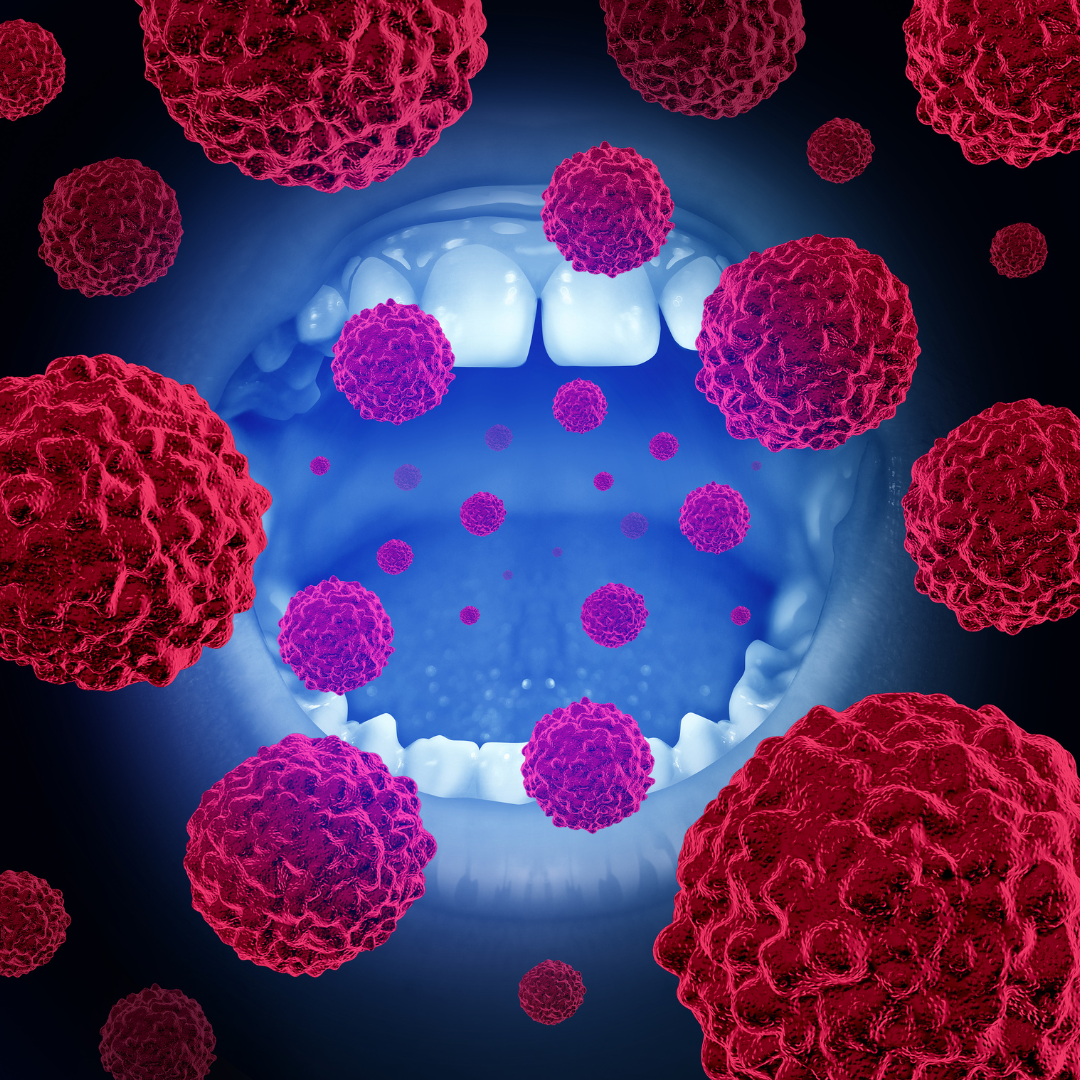
The oral microbiome is the second largest microbial community in the body, after the gut. It’s home to hundreds of bacterial species, some beneficial and others not so friendly. When this delicate ecosystem is balanced and thriving, it supports strong teeth, healthy gums, and fresh breath. When it’s disrupted, harmful bacteria can take over – increasing the risk of tooth decay, gum disease, and other inflammatory conditions.
Researchers are now finding fascinating links between oral health and systemic health. Studies suggest that maintaining a balanced oral microbiome may support cardiovascular health, reduce inflammation, and even play a role in cognitive function and digestive wellbeing.
Understanding Gum Health
Gingivitis is the early stage of gum disease, marked by redness, swelling, or bleeding gums. If left untreated, it can progress to periodontitis, a more serious condition that affects the tissues and bones supporting the teeth. Around half of adults over 30 and more than two-thirds of those over 65 experience some form of periodontal disease.
Good oral hygiene – regular brushing, flossing, and dental check-ups – is essential. But nutrition also plays a surprisingly powerful role in shaping the health of your mouth and the balance of bacteria that live there. Beyond cutting down on sugar, there are several ways diet and lifestyle can help build a healthier oral microbiome.
1. Slow Down and Chew Well
Taking time to chew your food thoroughly isn’t just good for digestion – it also helps maintain a balanced oral environment. Chewing stimulates saliva production, which helps neutralise acids, wash away food particles, and nourish beneficial bacteria. Foods with texture, such as raw vegetables, whole grains, and nuts, encourage more chewing and promote saliva flow naturally.
2. Eat More Plants
A plant-rich diet supports a healthy microbiome in both the gut and the mouth. Fruit, vegetables, wholegrains, beans, lentils, nuts, seeds, herbs, and spices provide fibre, antioxidants, polyphenols, and micronutrients that act as prebiotics, feeding the friendly bacteria. Many of these nutrients also have anti-inflammatory effects, helping to protect the gums and support tissue healing.
3. Cut Back on Sugars and Refined Carbohydrates
Most of us know sugar is a major cause of cavities, but refined carbohydrates – like white bread, pastries, and processed snacks – can be just as damaging. These foods promote inflammation and can contribute to gum bleeding and periodontal disease. Swapping refined carbs for wholegrain options not only benefits oral health but also supports stable energy levels and better gut balance.
4. Boost Omega-3 Intake
Omega-3 fatty acids, found in oily fish such as salmon, sardines, mackerel, herring, and anchovies, are known for their anti-inflammatory effects. Some studies suggest they may reduce gum inflammation, improve gum pocket depth, and support tissue repair in periodontitis. For those who don’t eat fish, plant-based omega-3 sources such as flaxseeds, chia seeds, and walnuts can also help.
5. Get Plenty of Vitamin C
Vitamin C is essential for collagen production and gum health. Deficiency can lead to bleeding gums and increased inflammation. To keep your levels topped up, aim for at least five portions of fruit and vegetables daily, focusing on vitamin C-rich foods such as citrus fruits, peppers, kiwi, strawberries, and blackcurrants.
6. Don’t Forget Vitamin D
Vitamin D plays a crucial role in bone health and immune function. Low levels have been linked with a higher risk of periodontal disease and slower healing after dental procedures. In the UK, it’s difficult to get enough vitamin D from sunlight during autumn and winter, so taking a supplement of around 2000 IU daily is often recommended to maintain healthy levels.
7. Consider Oral Probiotics
For those struggling with gum issues, bleeding, or dental implants, oral probiotics could be a valuable addition to daily care. These supplements come as mouthwashes, chewable tablets, or dissolvable powders and are designed to introduce beneficial bacteria directly to the mouth.
One of the best-researched options is BioGaia Prodentis, which contains specific probiotic strains shown to support a healthy balance of oral bacteria. Regular use has been linked to reduced bleeding, inflammation, and pocket depth in gingivitis. If you’re curious about trying oral probiotics, speak with your dentist or hygienist for advice.
The Bigger Picture: Oral Health and Whole-Body Wellbeing
It’s becoming increasingly clear that oral health is deeply connected to overall health. The bacteria in your mouth interact with your immune system, your digestive tract, and even your cardiovascular system. By supporting your oral microbiome through diet, lifestyle, and good hygiene, you’re not only protecting your smile – you’re also investing in your long-term wellbeing.
The oral microbiome may just be the next big thing in healthcare. Looking after it isn’t complicated – it’s about eating a colourful, nutrient-dense diet, limiting sugars, getting enough healthy fats and vitamins, and practising consistent dental care. With a few small daily habits, you can create a mouth environment that keeps both your gums and your whole body thriving.
About the author:
Jane McClenaghan is renowned for her down-to-earth, evidence-based approach to nutrition, making healthy eating practical and achievable for everyone.
With over 25 years of experience delivering group sessions for corporate clients and one-to-one consultations, she specialises in women’s health and has helped thousands of people transform their wellbeing through better nutrition.
As the author of two best-selling books and a familiar voice on local radio, Jane is passionate about translating the science of nutrition into real food on your plate and empowering others to make lasting, positive changes for their health.
Get in touch