Do You Really Need Collagen, Creatine or Protein Supplements?
If your social feeds are full of ads for collagen drinks, creatine for women, and high-protein powders, you’re not alone.
The world of nutritional supplements is overwhelming — and often more hype than help.
Here’s the real story behind the most popular supplements and how to decide what (if anything) you actually need.
Start with Food First
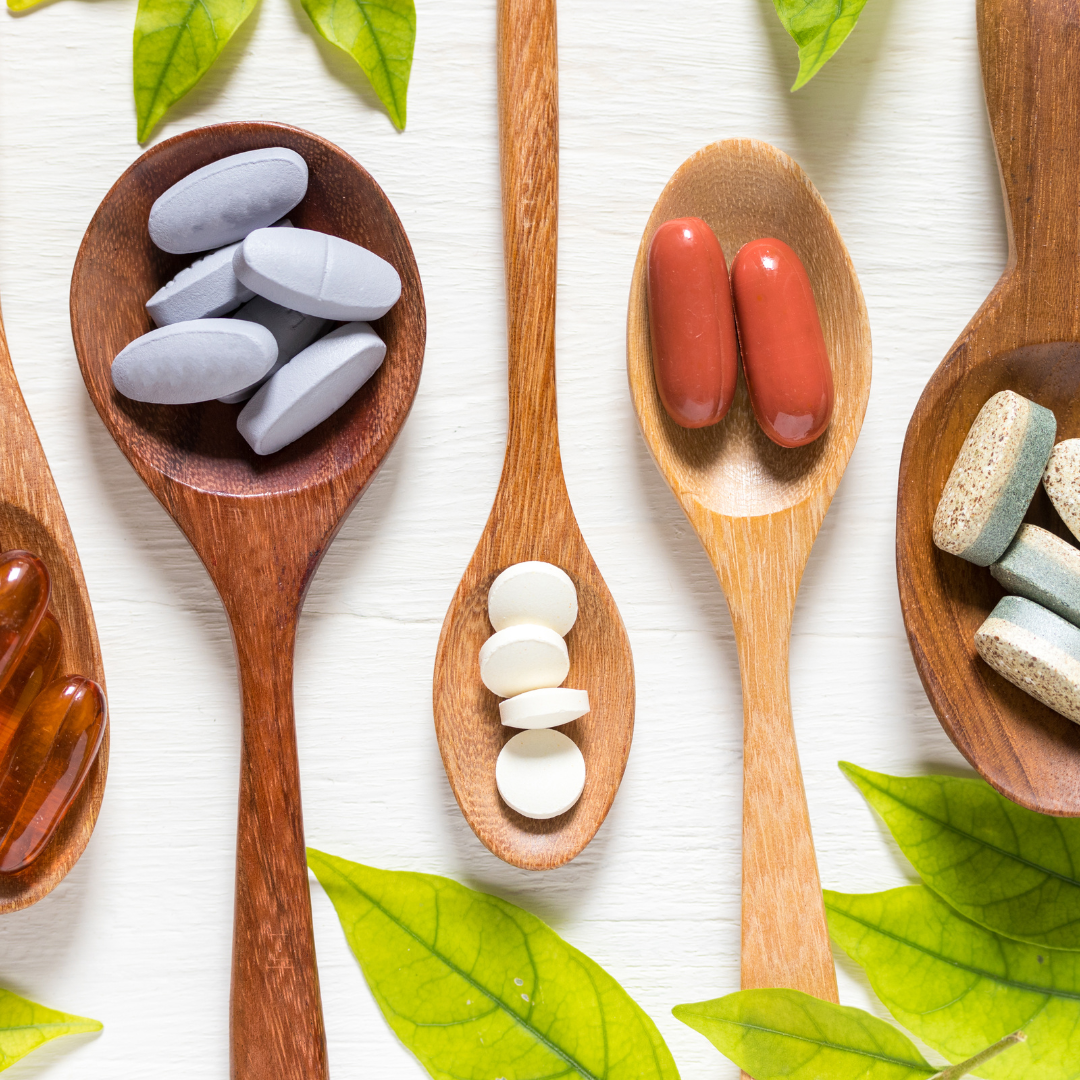
Supplements are designed to add to a healthy diet, not replace one.
You can’t eat poorly, take a few pills, and expect amazing results. Your body works best when you get nutrients from real food — that’s where vitamins, minerals and fibre come in naturally balanced forms.
💡 Tip: Always read the label. Cheaper supplements often include unnecessary fillers, flavourings or sweeteners. If you avoid ultra-processed foods, you should avoid ultra-processed supplements too.
Balance Is Better Than More
Taking handfuls of supplements doesn’t mean you’ll be healthier.
Nutrients work together — too much of one can block another. For example:
Vitamin E needs vitamin C to work properly
Too much iron can reduce zinc absorption
Magnesium and calcium need to be in balance
If you’re on medication, always check with your GP, pharmacist, or nutritionist before adding supplements to your routine. Some nutrients can interact with medicines.
Three Smart Supplements to Start With
If you’re new to supplements, these are a great starting point:
1. A Good Multivitamin and Mineral Complex
Covers your bases by filling small gaps in your diet. Look for one that includes both vitamins and minerals and is designed for your age group.
2. Vitamin D
In the UK, most of us don’t get enough sunshine to make sufficient vitamin D — especially in winter.
Choose vitamin D3 (cholecalciferol) and aim for around 2000 IU daily (check with your doctor first if you take bone or calcium supplements).
3. Omega 3
If you don’t eat oily fish regularly, omega 3 supplements can support brain, joint and heart health. Be cautious if you take blood-thinning medications like aspirin — always seek professional advice.
The Truth About Collagen, Creatine and Protein Supplements
Creatine
Once known as a “gym bro” supplement, creatine is now recognised for its benefits beyond muscle growth.
It supports energy, focus, and even cognitive health. It’s safe, well-researched, and effective at just 3–5g per day — no “loading phase” required.
Collagen
Collagen keeps your skin firm, joints healthy, and gut strong. As we age, our bodies produce less, so supplements can help — though results vary.
Before spending big, try boosting collagen naturally with:
Protein-rich foods (fish, eggs, beans, tofu)
Vitamin C (to help your body make collagen)
Omega 3 fats (for elasticity and repair)
Protein Powders
If you eat enough real food protein — eggs, fish, meat, tofu, yoghurt, beans, nuts — you may not need one.
However, for busy days or intense training, a clean protein powder can help you hit your goals.
Check the label for minimal ingredients, no added sugar, and a good-quality source like whey isolate or pea protein.
The Bottom Line: Think Food First
Supplements can support your health — but they’re not a shortcut.
Start with a balanced, colourful diet, and use supplements only to fill genuine gaps or support specific goals.
When in doubt, seek advice from a qualified nutrition professional rather than TikTok or your feed.
About the author:
Jane McClenaghan is renowned for her down-to-earth, evidence-based approach to nutrition, making healthy eating practical and achievable for everyone.
With over 25 years of experience delivering group sessions for corporate clients and one-to-one consultations, she specialises in women’s health and has helped thousands of people transform their wellbeing through better nutrition.
As the author of two best-selling books and a familiar voice on local radio, Jane is passionate about translating the science of nutrition into real food on your plate and empowering others to make lasting, positive changes for their health.
Get in touch