Is Cabbage the New ‘Superfood’?
Cabbage is having a moment. Yes, cabbage.
It’s been on local menus for generations and, if you’re anything like me, you’ve probably endured more than your fair share of overcooked, soggy cabbage — enough to put you off the stuff for years. But suddenly this humble leafy veg is back in fashion. It has even been featured in Vogue as the food to be seen with in 2026.
So, is cabbage really the new superfood? Or is this just another wellness trend?
What Makes Cabbage So Good for Us?
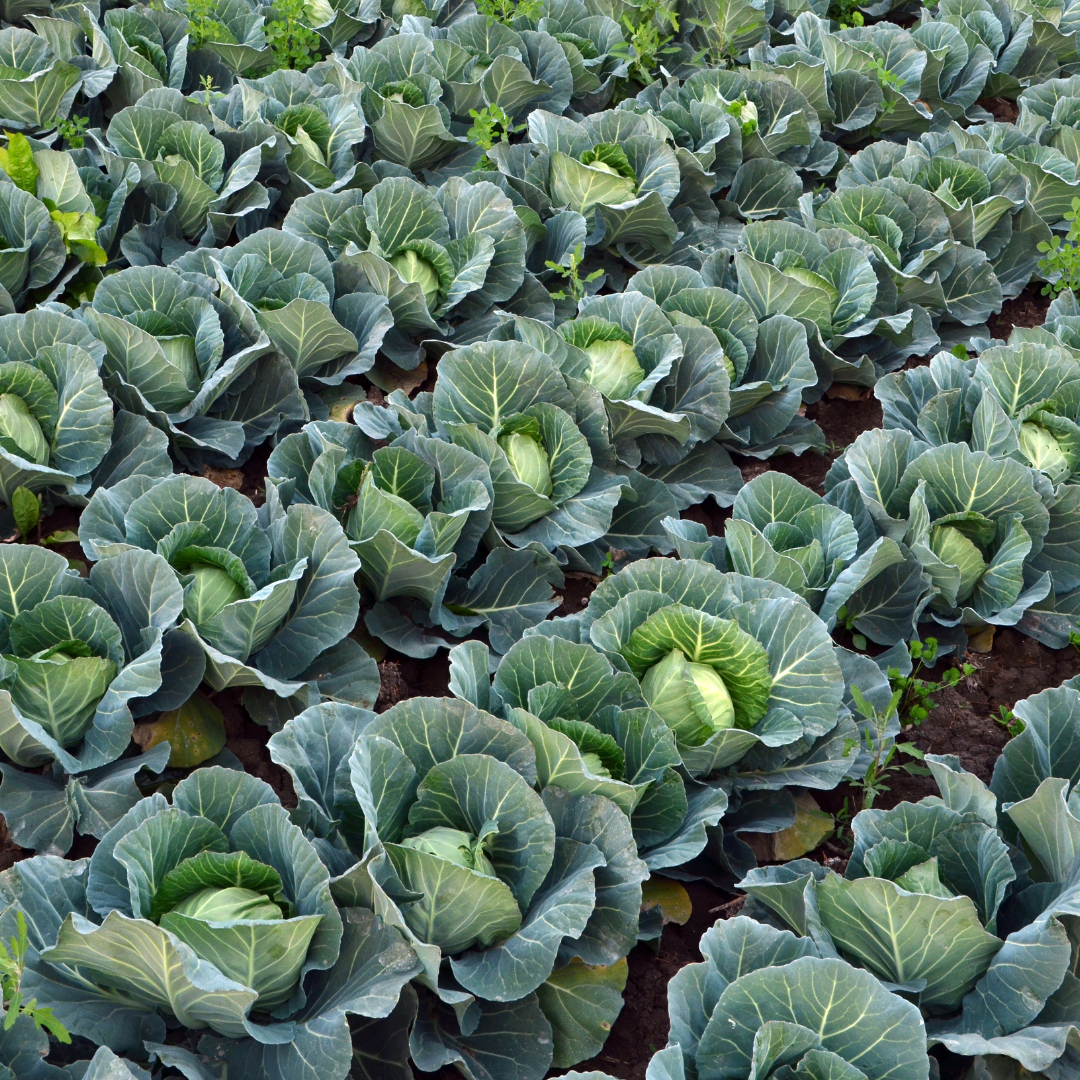
Cabbage belongs to the brassica group of vegetables — also known as cruciferous vegetables — and it’s packed with some seriously impressive nutrients.
First up, fibre. Cabbage contains both insoluble fibre (the type that keeps you regular) and soluble fibre (the kind that supports balanced blood sugar, helps you feel fuller for longer and feeds the beneficial bacteria in your gut microbiome). In a world where so many of us fall short on fibre intake, that alone makes cabbage worth a second look.
It’s also a good source of:
Vitamin C
Potassium
Folate
Magnesium
Vitamin K
Vitamin K is one of those overlooked nutrients that doesn’t get nearly enough airtime. It plays an essential role in bone health and blood clotting, and many of us could benefit from eating more foods that naturally contain it.
Cabbage and Blood Sugar Balance
There’s growing research suggesting that cabbage may help reduce the risk of — and support the management of — type 2 diabetes. Thanks to its fibre content and plant compounds, it can help slow down the absorption of sugars and support more stable blood glucose levels.
For anyone working on improving metabolic health, including balancing blood sugar or supporting healthy blood pressure, adding more brassica vegetables like cabbage into your weekly meals is a simple, affordable place to start.
Gut Health and Digestion
If you’re thinking, “Cabbage? Good for digestion? Are you sure?” — I hear you.
While cabbage can sometimes be blamed for gas and bloating (more on that in a moment), it also has real potential when it comes to gut health. The fibre feeds beneficial gut bacteria, and cabbage juice has been studied for its potential benefits in supporting people with peptic ulcers.
Then there’s fermentation.
When cabbage is transformed into sauerkraut or kimchi, something magical happens. Fermentation converts the natural sugars into lactic acid and produces beneficial probiotic bacteria. Regularly eating fermented cabbage has been shown to support gut health and may improve symptoms of IBS for some people. Interestingly, many people who struggle with raw cabbage find fermented versions much easier to digest.
You don’t have to buy the expensive jars with fancy labels from the chilled aisle, either. Check the world foods section in your supermarket for more affordable options — or have a go at making your own. It’s surprisingly simple.
The Sulphur Superpowers
One of the main reasons I love brassica vegetables — including cabbage — is their sulphur-rich antioxidants, particularly sulforaphane.
These compounds are little powerhouses when it comes to supporting the body’s natural detoxification processes and helping to balance inflammation. They also support the metabolism of hormones such as oestrogen, which makes them especially valuable for women’s health at every stage of life — from menstruation to menopause and beyond.
In a world where hormone balance is a hot topic, adding more cruciferous vegetables is one of the simplest nutritional shifts you can make.
But What About the Bloating?
Let’s be honest. For some people, cabbage and other sulphurous vegetables can cause gas, wind and bloating. That doesn’t mean you need to avoid them entirely.
Often, how you prepare them makes all the difference. Try:
Roasting instead of boiling
Lightly steaming rather than overcooking
Adding calmative herbs and spices such as ginger, cinnamon or cloves
Starting with small portions and gradually increasing
Your gut microbiome can adapt over time. Going slowly and building tolerance often works far better than avoiding whole food groups altogether.
So Many Ways to Eat It
Cabbage is wonderfully versatile, which is perhaps why it’s enjoying a revival.
There are reportedly around 400 varieties worldwide. In the UK, you’ll most commonly find green, white, red and Savoy cabbage. You might also come across Chinese cabbage in larger supermarkets. And let’s not forget that pak choi, kale and cavolo nero are all members of the same brassica family.
You can:
Shred it into crunchy slaws and salads
Chargrill or griddle hispi cabbage for a smoky side dish
Add it to soups and stews
Use large leaves as wraps
Ferment it into sauerkraut or kimchi
Looking globally for inspiration opens up even more possibilities. From Eastern European ferments to Asian stir-fries, cabbage has long been a staple across cultures.
Is Cabbage Really a Superfood?
I’m not a huge fan of the word “superfood”. It suggests we need something exotic, expensive or hard to find to be healthy.
Cabbage is none of those things.
It’s cheap.
It’s local.
It’s leafy.
And it’s packed with nutrients that genuinely support gut health, blood sugar balance, hormone metabolism and overall wellbeing.
Maybe cabbage doesn’t need a rebrand. Maybe it just needs better PR — and a gentler cooking method.
Either way, it’s about time this humble vegetable had its moment in the limelight.
About the author:
Jane McClenaghan is renowned for her down-to-earth, evidence-based approach to nutrition, making healthy eating practical and achievable for everyone.
With over 25 years of experience delivering group sessions for corporate clients and one-to-one consultations, she specialises in women’s health and has helped thousands of people transform their wellbeing through better nutrition.
As the author of two best-selling books and a familiar voice on local radio, Jane is passionate about translating the science of nutrition into real food on your plate and empowering others to make lasting, positive changes for their health.
Get in touch