Healthy Family Meals Made Easy: Practical Tips for Busy UK Parents
When family life is hectic, it’s tempting to reach for “something handy” for the children and cook a separate meal for the adults later. Between long working hours, school runs and packed after-school clubs, sitting down to eat the same meal at the same time can feel almost impossible.
But with a little forward planning, you can simplify mid-week meals, save money and reduce stress – while making sure everyone is well nourished. Here’s how to make healthy family meals realistic, even on the busiest weeks.
Why Breakfast Matters for Children and Teens
We’ve all heard that breakfast is important, but the benefits are worth repeating. Research consistently shows that children and teenagers who eat breakfast have:
Better concentration and attention
Improved memory and academic performance
More stable energy levels
Lower levels of stress and anxiety
A balanced breakfast supports mood, energy and learning throughout the day. Skipping breakfast can leave young people sluggish and struggling to focus by mid-morning.
Easy, Healthy Breakfast Ideas for Busy Mornings
If mornings are rushed – or you’re negotiating with a reluctant teen – keep things simple and flexible:
Wholegrain cereal such as Weetabix or porridge with milk and fruit (banana, berries or grated apple)
Overnight oats – ideal for teens to prepare themselves and customise
Smoothies made with milk or yoghurt for protein and calcium, plus fresh or frozen fruit
Eggs on wholemeal toast or a wholemeal bagel for brain-boosting protein
Wholemeal toast with peanut butter and sliced banana (if there are no nut allergies)
The key is combining slow-release carbohydrates with protein. This helps children feel fuller for longer and keeps energy steady through morning lessons.
Rethinking the Packed Lunch
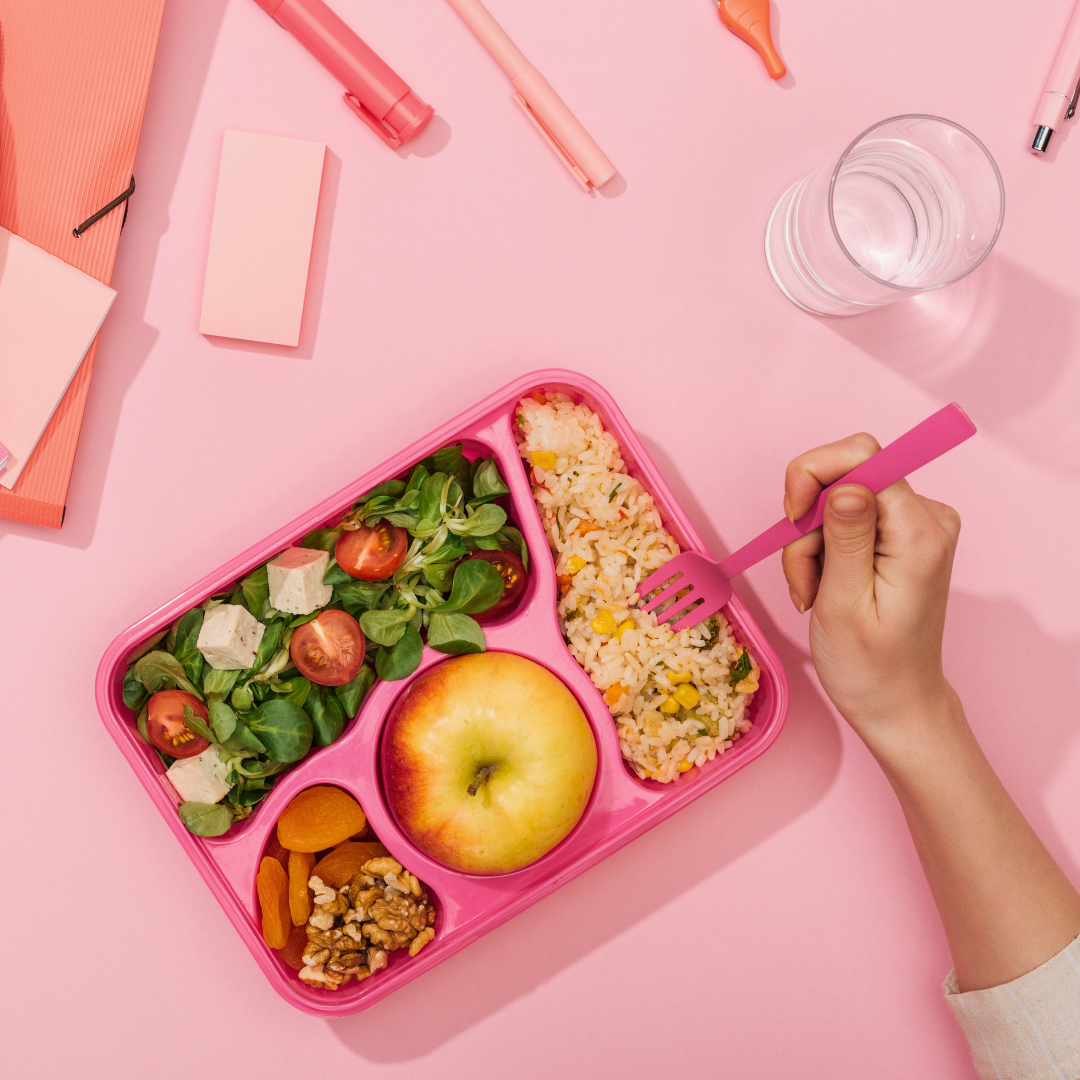
For families across the UK, packed lunches are a daily routine. Instead of seeing them as repetitive, think of them as an opportunity to fuel your child’s afternoon learning and concentration.
A balanced lunch should include:
A source of carbohydrate (for sustained energy)
A source of protein (for immune function and cognitive support)
One or two portions of fruit or vegetables (towards their 5-a-day)
Simple, Balanced Lunchbox Ideas
Here are some easy options that tick the boxes:
Chicken wrap with lettuce and grated carrot, plus an apple or banana
Pasta with tuna, mayonnaise and sweetcorn
Pasta with chicken, mayonnaise and grated carrot
Falafels and houmous in a wholemeal pitta pocket
A wholemeal sandwich or bagel with chicken and salad
Get Children Involved
Encouraging choice helps children feel more invested in their meals. Younger children could choose between:
Apple or orange
Bread or pasta
Chicken or tuna
Older children and teens can start preparing their own lunches. This builds independence and teaches them how to construct a balanced meal – an essential life skill that will benefit them well beyond school.
Mid-Week Family Dinners Without the Stress
In busy households, dinner can become a rushed “eat-and-run” affair between activities. Many parents tell me they cook one meal for the children and another for themselves later. While this may feel easier short-term, it doubles the workload and often increases food waste.
With some basic meal planning, you can reduce the pressure and bring everyone back to the same table.
Plan Around What Your Family Already Enjoys
Start with meals your family likes. Ask the children for ideas – you may be surprised by their suggestions. If they feel heard, they’re often more willing to try new dishes.
For older children, consider involving them in the cooking. When young people help prepare food, they are far more likely to eat it. It also boosts confidence and responsibility.
Batch Cooking: The Ultimate Time-Saver
Batch cooking is one of the simplest ways to save time, effort and money.
Cooking a larger portion once a week doesn’t mean eating exactly the same meal twice. Instead, reinvent leftovers:
Spaghetti bolognese one night becomes baked potatoes with bolognese topping the next
Chilli with rice can turn into fajita filling or wraps
Roast chicken can be used for sandwiches, pasta or soup the following day
This approach reduces waste, cuts costs and makes healthy eating more achievable on busy evenings.
Healthier Snack Swaps for Growing Appetites
Snacks are often where sugar sneaks in. Having healthier options readily available makes it easier for children (and adults) to make better choices.
Instead of reaching automatically for crisps or chocolate, try:
Carrot batons, sliced peppers or cucumber sticks with houmous
Natural yoghurt topped with fruit
Lower-sugar biscuits such as digestives instead of chocolate-coated varieties
Fresh fruit – simple, portable and naturally sweet
Keeping these options visible and prepared in advance makes a big difference during the after-school rush.
Cooking as a Life Skill
Cooking isn’t just about feeding the family – it’s an essential life skill. When children and teenagers are involved in planning, shopping and preparing meals, they learn:
Basic nutrition
Budgeting skills
Food safety
Organisation and time management
Younger children can help wash vegetables, stir sauces or set the table. Older children might cook one meal per week for the family or help plan the weekly menu.
Over time, these small steps build confidence and competence in the kitchen – setting them up for healthier habits in adulthood.
Small Changes, Big Impact
Healthy family eating doesn’t require complicated recipes or expensive ingredients. With a bit of planning, some smart batch cooking and involving your children in the process, you can:
Save time during the week
Reduce stress at meal times
Cut food costs
Support your child’s learning, mood and energy
Busy family life isn’t going anywhere – but with practical, manageable strategies, healthy meals can become the norm rather than the exception.
About the author:
Jane McClenaghan is renowned for her down-to-earth, evidence-based approach to nutrition, making healthy eating practical and achievable for everyone.
With over 25 years of experience delivering group sessions for corporate clients and one-to-one consultations, she specialises in women’s health and has helped thousands of people transform their wellbeing through better nutrition.
As the author of two best-selling books and a familiar voice on local radio, Jane is passionate about translating the science of nutrition into real food on your plate and empowering others to make lasting, positive changes for their health.
Get in touch