How to Cut Your Food Bill Without Sacrificing Healthy Meals
With the cost of living continuing to rise, many households are feeling the pressure every time they head to the supermarket. Food shopping has become noticeably more expensive, and for many families, stretching the weekly budget has become a real challenge. The good news is that there are practical ways to make your money go further without compromising on nutrition or flavour.
From reducing food waste to planning meals more effectively, a few small changes to your shopping habits can have a big impact on your household budget. By being more mindful about what you buy, how you store food and how you use leftovers, you can save money while still enjoying healthy, satisfying meals.
Start by Tackling Food Waste
One of the easiest ways to save money on your food shop is by cutting down on waste. The average household in Northern Ireland throws away the equivalent of around £1,000 worth of food every year — much of which could still have been eaten.
When you think about how often food ends up in the bin simply because it has been forgotten about at the back of the fridge, it becomes clear how much money is being wasted unnecessarily. It’s estimated that around 30% of the average household rubbish bin contains food waste, and nearly a quarter of that food could still have been consumed safely.
In many homes, we are simply buying more than we need. Without proper planning, it’s easy to over-shop, duplicate items already in the cupboard or forget about ingredients before they go out of date.
Plan Before You Shop
Planning ahead is one of the most effective ways to reduce food waste and keep grocery costs under control. Before heading to the supermarket, take a few minutes to check your fridge, freezer and cupboards to see what you already have at home.
You may discover ingredients that can be turned into meals over the next few days, helping you avoid buying unnecessary extras. Moving foods with shorter dates to the front of the fridge can also help ensure they get used before they spoil.
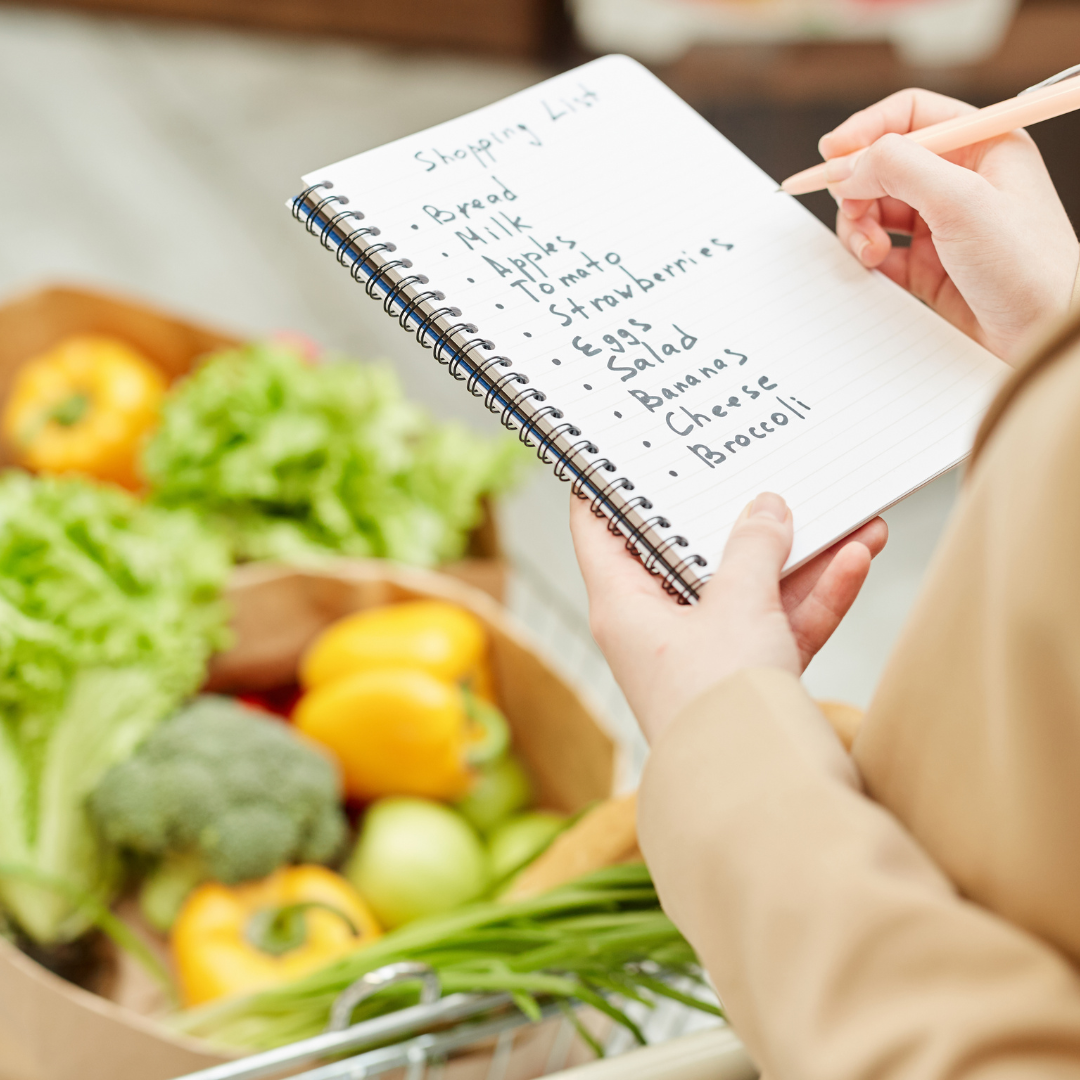
Creating a shopping list is another simple habit that can save both money and time. Whether you prefer using the notes app on your phone or a traditional shopping pad kept in the kitchen, writing down what you actually need can help prevent impulse purchases and duplicate buys.
A useful tip is to add items to your list as soon as they run out. That way, you’re less likely to forget essentials and more likely to stick to a realistic shopping plan.
Understand Food Labels Properly
Food labels can often cause confusion, leading people to throw away perfectly good food unnecessarily. Understanding the difference between “use by” and “best before” dates can help reduce waste significantly.
“Use by” dates relate to food safety and should always be followed carefully. However, “best before” dates refer to food quality rather than safety. In many cases, foods can still be eaten after their best before date if they look, smell and taste fine.
Keeping an eye on expiry dates and prioritising foods with shorter shelf lives can make a big difference. Some people find it helpful to create a dedicated shelf or section in the fridge for foods that need to be used soon.
Get Creative With Leftovers
Using leftovers creatively is one of the best ways to stretch your food budget further. Rather than seeing leftover vegetables or cooked meat as scraps, think of them as ingredients for your next meal.
One of the easiest and most versatile dishes to make from leftover ingredients is a frittata or omelette. Vegetables that may be looking a little tired — such as mushrooms, onions, broccoli, spinach or celery — can be chopped up and cooked in a little olive oil until softened.
Adding dried herbs, leftover bacon or ham and a handful of grated cheese creates a simple but delicious meal. Whisk together six eggs, pour over the cooked vegetables in an ovenproof dish and bake at 160°C for around 30–35 minutes. The result is a nutritious meal that works perfectly for lunch, dinner or even packed lunches the next day.
Not only is this a great way to avoid waste, but it also helps you create healthy meals from ingredients that might otherwise have ended up in the compost bin.
Make Leftovers Feel Like New Meals
Eating leftovers doesn’t have to mean repeating the exact same meal several days in a row. A little creativity can completely transform yesterday’s dinner into something fresh and different.
Leftover bolognese can become the topping for a baked potato the next day. Chilli can be used as a filling for wraps or fajitas, creating a completely different meal with minimal extra effort.
Stir-fries are another brilliant option for using up whatever happens to be in the fridge. Combining leftover vegetables with frozen veg, prawns or cooked chicken, plus simple ingredients like garlic, ginger and chilli, can create a quick and flavour-packed dinner in minutes. Serve with rice or noodles for an easy midweek meal that’s both budget-friendly and nutritious.
Small Changes Can Make a Big Difference
Saving money on food doesn’t have to involve extreme budgeting or giving up the meals you enjoy. Often, it’s the small everyday habits that make the biggest difference over time.
Planning meals, shopping with a list, understanding food labels and making better use of leftovers can all help reduce waste and stretch your budget further. With food prices continuing to rise, making the most of what you already have at home has never been more important.
A few simple changes in the kitchen could save your household hundreds of pounds each year — while also helping reduce unnecessary food waste and making mealtimes less stressful.
About the author:
Jane McClenaghan is renowned for her down-to-earth, evidence-based approach to nutrition, making healthy eating practical and achievable for everyone.
With over 25 years of experience delivering group sessions for corporate clients and one-to-one consultations, she specialises in women’s health and has helped thousands of people transform their wellbeing through better nutrition.
As the author of two best-selling books and a familiar voice on local radio, Jane is passionate about translating the science of nutrition into real food on your plate and empowering others to make lasting, positive changes for their health.
Get in touch