What’s on Your Shopping List? How Your Weekly Shop Can Support Your Health
Your weekly shop has the power to change your health.
Think about that for a moment. It’s powerful stuff.
The food that fills our trolleys has the potential to improve – or diminish – our health outcomes. While there are many things that influence our health, from genetics and stress to our environment and lifestyle, the food we eat every day is one of the pieces of the puzzle we have some control over.
And it’s consistency that really matters.
The foods we add to our shopping list week in, week out will ultimately become the foods we eat most often. Those everyday choices quietly shape our health and wellbeing, both now and in the years to come.
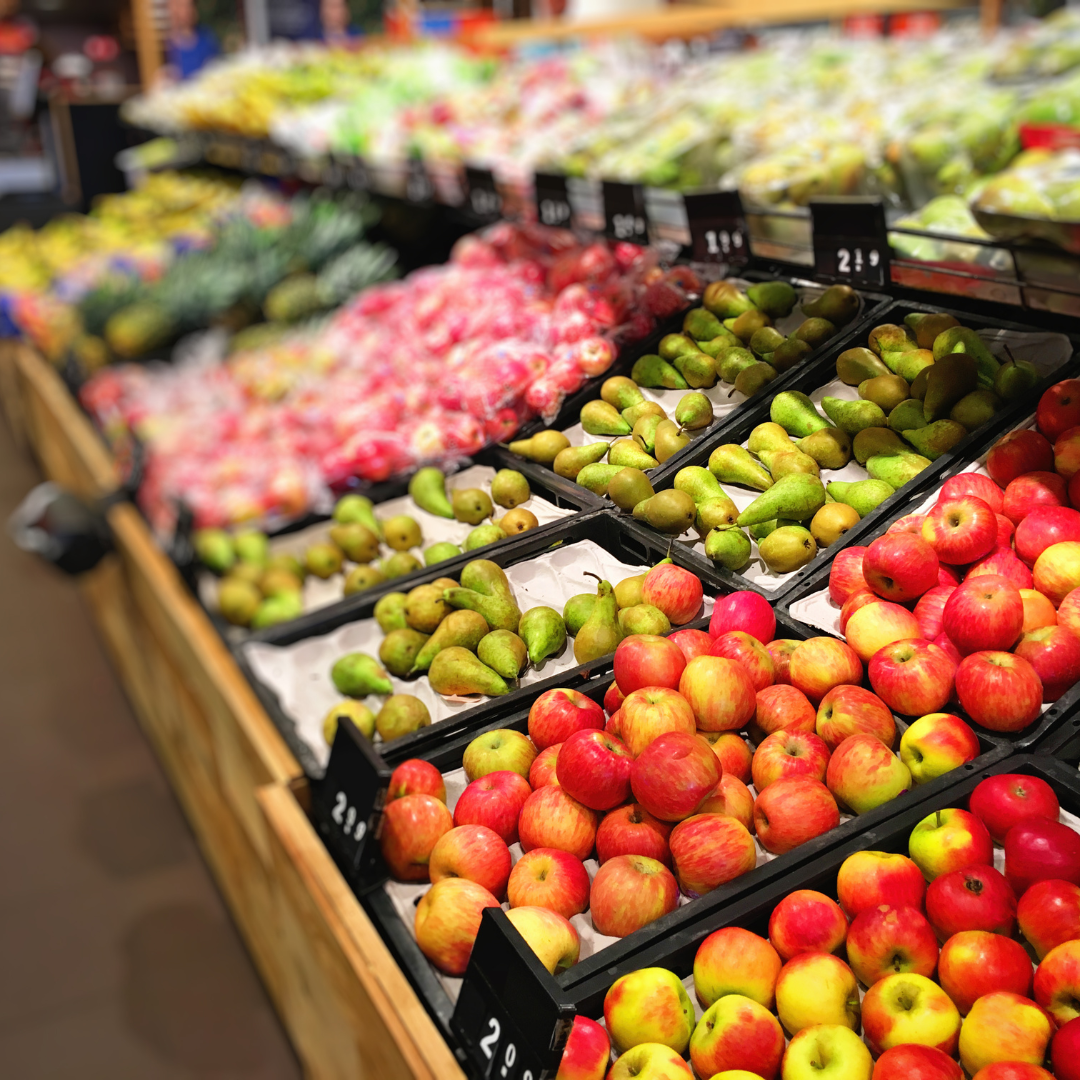
Your shopping trolley is part of your health toolkit
Packing your trolley with plenty of nutritious, minimally processed food can help provide the nutrients your body needs to function well.
A good diet can support healthy digestion, energy levels, brain function, immunity, hormones, bones and muscles. It can also help support a healthy weight and reduce the risk of a range of long-term health conditions, including cardiovascular disease and type 2 diabetes.
There is also growing evidence that the way we eat can influence inflammation and play a role in healthy ageing and brain health.
Of course, food isn't the only thing that affects our health. Stress, sleep, physical activity, genetics, our environment and many other factors all have a part to play.
But what we buy most often becomes what we eat most often.
So, rather than thinking about being "good" or "bad" with food, why not take a moment to look at your shopping trolley and ask: am I giving my body what it needs?
Start with the basics
We all need the three macronutrients – protein, carbohydrates and fats – as well as a whole range of vitamins and minerals.
The good news is that you don't need to make things complicated.
A varied diet based around foods that are as close to their natural state as possible will give you plenty of opportunities to get the nutrients you need.
Variety really is key. Different foods contain different vitamins and minerals, so eating the same handful of foods every day isn't the best way to cover all your nutritional bases.
Here's my A to Z of some of the key vitamins and minerals to think about when you're filling your trolley.
Vitamins to add to your shopping list
Vitamin A
Vitamin A is important for healthy vision and plays a role in immune function.
You'll find it in foods including liver, oily fish, eggs and dairy products such as milk, cheese and yoghurt. Plant sources of beta-carotene, which the body can convert into vitamin A, include carrots, sweet potatoes and spinach.
B vitamins
There are eight different B vitamins, each with important roles in energy metabolism and keeping our bodies working properly.
Vitamin B12 and folate are two that are particularly important to keep an eye on.
B12 is found naturally in meat, fish, poultry, eggs and dairy products, as well as some fortified foods. If you follow a vegan diet, a B12 supplement is essential. Some vegetarians may also need to consider supplementation depending on their diet.
Folate is found in dark green leafy vegetables, including kale, rocket, watercress, spinach and broccoli.
So, yes – eat your greens!
Vitamin C
Vitamin C is an antioxidant and is needed for normal immune function and healthy collagen formation.
You'll find it in a wide variety of fruit and vegetables, particularly citrus fruits, peppers, blackcurrants and kiwi fruit.
Vitamin D
Vitamin D is often called the sunshine vitamin because our bodies can make it when our skin is exposed to sunlight.
We also get small amounts from food, particularly oily fish and egg yolks, as well as some mushrooms.
In the UK, vitamin D supplementation is recommended during the autumn and winter months because it's difficult to make enough vitamin D from sunlight at this time of year.
Vitamin E
Vitamin E is a fat-soluble vitamin with antioxidant properties.
Good food sources include plant oils, nuts and seeds. Add sunflower seeds, almonds, peanut butter and olive oil to your shopping list.
Vitamin K
Vitamin K plays an important role in normal blood clotting and bone health.
Good sources include green vegetables such as kale, broccoli, spinach and cauliflower.
Don't forget your minerals
Vitamins often get all the attention, but minerals are just as important.
Calcium
Calcium is essential for healthy bones and teeth, as well as normal muscle function.
Dairy products such as milk, cheese and yoghurt are excellent sources. You can also find calcium in nuts and seeds, tahini, dark green leafy vegetables and tinned fish such as sardines, where the soft edible bones are an excellent source.
Magnesium
Magnesium is involved in hundreds of processes in the body, including normal muscle and nerve function.
Find it in dark green leafy vegetables, nuts, seeds, wholegrains and – one of my personal favourites – dark chocolate.
Yes, dark chocolate is definitely on my shopping list every week!
Zinc
Zinc is important for immune function, wound healing and many other processes in the body.
Good sources include shellfish such as mussels, prawns and oysters, as well as fish, meat, nuts, seeds, wholegrains, eggs and dairy products.
Iron
Iron is essential for making haemoglobin, which carries oxygen around the body.
Red meat and liver are rich sources of iron, but you can also get non-haem iron from green leafy vegetables, beans, dried fruit, nuts and some fortified foods.
If your iron levels tend to be on the lower side, it's worth knowing that some foods and drinks can reduce iron absorption. Compounds called phytates, found in foods such as wholegrains, and oxalates, found in spinach, can affect absorption. Tea and coffee can also reduce the amount of iron absorbed from a meal, so timing can be important if iron is a concern for you.
Iodine
Iodine is needed for normal thyroid function and is found in dairy products, sea fish, eggs and shellfish.
What about the other minerals?
There are plenty of other vitamins and minerals we need in smaller amounts, including trace minerals such as chromium and manganese.
This is where variety becomes so important.
Rather than worrying about ticking off every single nutrient every day, focus on eating a wide range of foods across the week.
Think colourful vegetables and fruit, wholegrains, beans and pulses, nuts and seeds, good-quality protein, dairy or alternatives, oily fish and healthy fats.
The more variety you have on your plate, the more likely you are to get a broad spectrum of vitamins, minerals and other beneficial plant compounds.
You have the power on your plate
Healthy eating doesn't need to mean complicated meal plans, expensive superfoods or a cupboard full of supplements.
It starts in the supermarket.
Take a look at what's in your trolley. Is it mostly food that will nourish you? Are you getting plenty of variety? Have you got your greens, your protein, your healthy fats, your colourful fruit and vegetables and your wholegrains?
What we buy becomes what we eat.
So next time you head to the supermarket, remember: you have the power on your plate.
About the author:
Jane McClenaghan is renowned for her down-to-earth, evidence-based approach to nutrition, making healthy eating practical and achievable for everyone.
With over 25 years of experience delivering group sessions for corporate clients and one-to-one consultations, she specialises in women’s health and has helped thousands of people transform their wellbeing through better nutrition.
As the author of two best-selling books and a familiar voice on local radio, Jane is passionate about translating the science of nutrition into real food on your plate and empowering others to make lasting, positive changes for their health.
Get in touch