Why eggs aren’t just for Easter
If your shopping trolley is already filled with chocolate eggs and Easter bunnies, it might be worth making a little extra space for the real thing too. Eggs are affordable, versatile and packed with nutrients, making them one of the simplest ways to boost your health this Easter and beyond.
At this time of year, eggs carry a deeper meaning. Traditionally, they symbolise new life and rebirth, which is why they have long been associated with Easter celebrations. Historically, eggs were not eaten during Lent, making them a prized food when Easter Sunday arrived. While modern celebrations tend to revolve around chocolate, returning to real eggs could be one of the best decisions you make for your health.
Are Eggs Actually Good for You?
Eggs have had something of a reputation rollercoaster over the years. Once criticised for their cholesterol content, they are now widely recognised as a nutrient-dense food and are often labelled a “superfood”, particularly among those interested in fitness and healthy eating.
So, what changed?
Research has shown that while egg yolks do contain cholesterol, this doesn’t necessarily translate to higher cholesterol levels in your body. For most people, dietary cholesterol has far less impact than previously thought. In fact, eggs can form part of a heart-healthy diet, especially when eaten alongside a balanced intake of fruits, vegetables and whole grains.
Some eggs, particularly free-range varieties, are even enriched with omega-3 fatty acids. These healthy fats are known to support heart health, help regulate blood pressure and contribute to maintaining a healthy cholesterol balance.
A Nutritional Powerhouse
Eggs offer an impressive range of nutrients, making them one of the most complete foods available.
One of the standout nutrients in eggs is choline, a B vitamin-like compound that many people don’t get enough of in their diet. Choline plays a crucial role in maintaining healthy cell membranes, supporting brain function, and aiding memory. It is especially important during pregnancy and breastfeeding, as it contributes to normal brain development in babies.
Eggs are also an excellent source of protein. Each egg contains around 6 grams of high-quality protein and includes all nine essential amino acids that the body cannot produce on its own. This makes eggs a “complete protein”, ideal for supporting growth, repair and overall health.
Because of their protein content, eggs are also incredibly satisfying. At around 70–75 calories per egg, they can help you feel fuller for longer, making them a great addition to a balanced diet if you are trying to manage your weight or reduce cravings for sugary snacks.
In addition to protein and choline, eggs provide a variety of essential vitamins and minerals, including:
Vitamin A, which supports vision and immune health
Vitamin D, important for bone health and immune function
Vitamin B12, essential for energy production and nerve health
Iodine, which supports thyroid function
They also contain antioxidants such as lutein and zeaxanthin, which have been linked to eye health and may help protect against age-related vision problems. These antioxidants can also contribute to healthier skin.
Busting the Cholesterol Myth
One of the most common questions people still ask is whether eggs should be limited due to cholesterol concerns.
The short answer? For most people, there’s no need to avoid eggs.
While eggs do contain cholesterol, studies have shown that they have minimal impact on blood cholesterol levels in the majority of individuals. In some cases, eggs can even increase levels of “good” HDL cholesterol, which is beneficial for heart health.
Of course, as with any food, moderation and balance are key. Eggs are best enjoyed as part of a varied diet that includes plenty of plant-based foods, healthy fats and whole grains.
Affordable, Accessible and Incredibly Versatile
One of the biggest advantages of eggs is how easy they are to incorporate into everyday meals. They are widely available, relatively inexpensive and can be prepared in countless ways.
Whether you prefer them boiled, poached, scrambled or fried, eggs can be adapted to suit almost any taste or dietary preference. They also form the base of many dishes, from omelettes and frittatas to baked goods and sauces.
Beyond their traditional uses, eggs can also elevate simple meals into something more satisfying and nutritious.
Easy and Delicious Ways to Enjoy Eggs This Easter
If you’re looking for inspiration, here are a few simple and tasty ways to include more eggs in your diet over the Easter break:
1. Start the Day with a Protein-Packed Omelette
A nutrient-rich omelette is a brilliant way to kick off your morning. Whisk eggs with a spoonful of cottage cheese for extra protein, then fill with vegetables such as spinach, mushrooms and onions. Add fresh herbs for flavour, and you’ll have a breakfast that keeps you full well into the afternoon.
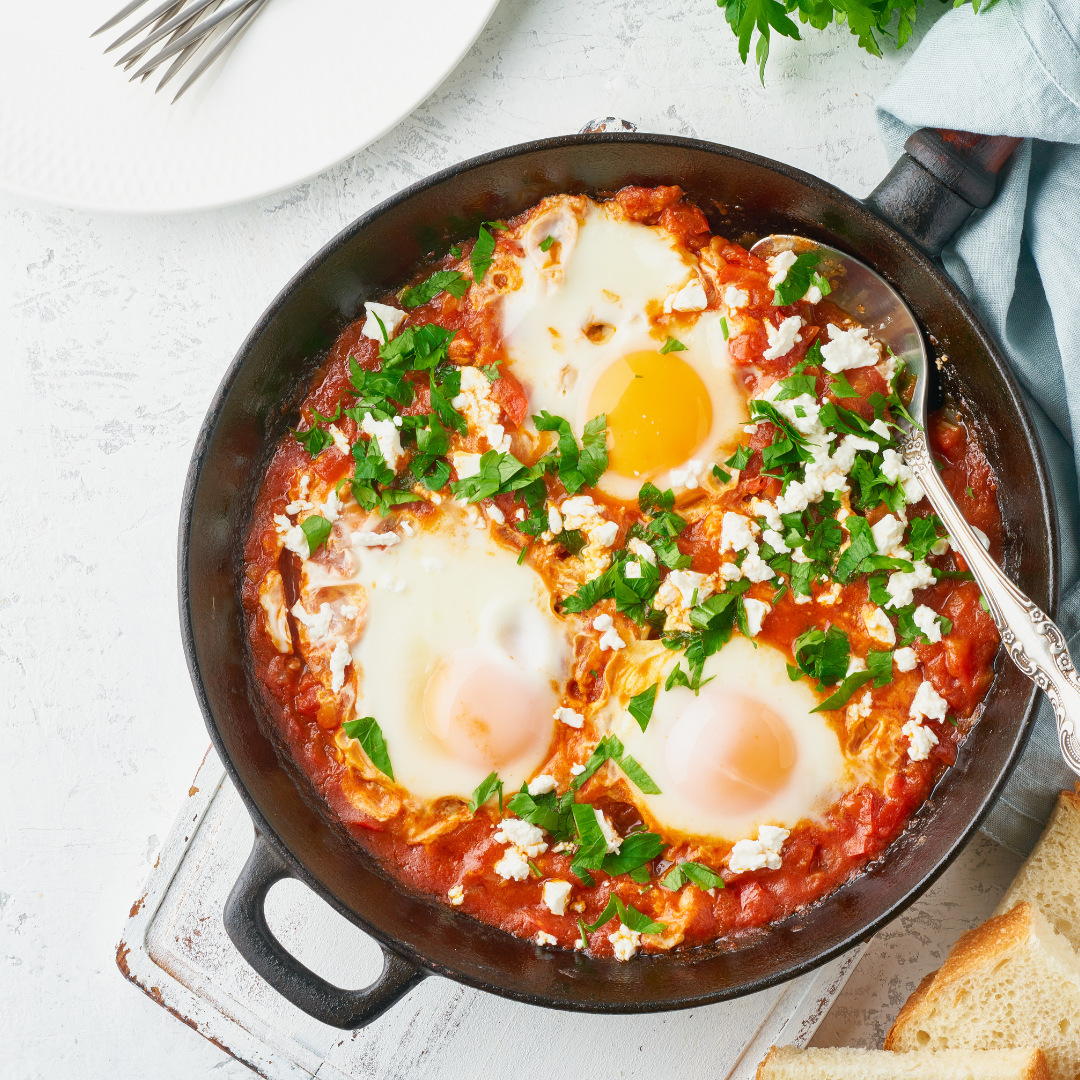
2. Try Shakshuka for a Weekend Brunch
Shakshuka is a comforting and flavourful dish that’s perfect for a relaxed Easter brunch. Simply simmer chopped or cherry tomatoes with red onion, garlic, chilli and spices, then create small wells in the sauce and crack in your eggs. Let them gently poach, then serve with sourdough bread, crumbled feta and fresh parsley.
3. Make a Healthier Egg Fried Rice
For a quick and balanced meal, egg fried rice is hard to beat. Use brown rice for added fibre, and stir-fry with seasonal vegetables such as broccoli, leeks, spinach or chard. Add garlic, ginger, chilli and a splash of low-salt soy sauce, then stir through whisked eggs and a handful of peas. It’s a simple, nutritious dish that comes together in minutes.
Eggs are one of the most accessible and nutrient-rich foods you can include in your diet. Once misunderstood, they are now recognised for their impressive health benefits, from supporting brain function to providing high-quality protein and essential vitamins.
This Easter, while you enjoy a chocolate egg or two, consider giving real eggs a place on your plate as well. They’re a simple addition that can make a meaningful difference to your overall health.
Whether you’re preparing a quick breakfast, a leisurely brunch or a midweek meal, eggs offer a delicious and nourishing solution that works all year round.
About the author:
Jane McClenaghan is renowned for her down-to-earth, evidence-based approach to nutrition, making healthy eating practical and achievable for everyone.
With over 25 years of experience delivering group sessions for corporate clients and one-to-one consultations, she specialises in women’s health and has helped thousands of people transform their wellbeing through better nutrition.
As the author of two best-selling books and a familiar voice on local radio, Jane is passionate about translating the science of nutrition into real food on your plate and empowering others to make lasting, positive changes for their health.
Get in touch