Comfort Eating: Finding Balance Without Losing the Joy of Food
Aside from nutrition, food gives us so much more than just fuel. It brings comfort and calm when we feel stressed, sad or fed up. We eat when we’re happy, we eat when we’re sad. Food fills the gaps when we’re bored or lonely, and it plays a central role in rituals and celebrations of all kinds.
But somewhere along the way, things have become complicated.
From strict food rules and endless dieting cycles, to low-fat trends, calorie counting, fibre-maxxing and protein-boosting, it’s no wonder many of us have lost sight of the fundamentals of what actually makes up a healthy, balanced and nourishing diet. Add in the constant noise from social media, marketing and the latest diet fads, and it’s easy to feel overwhelmed.
The question is—have these trends actually made us any healthier? Or have they simply left us confused about what we really need to eat for optimal nutrition?
Healthy Eating Shouldn’t Feel Like a Battle
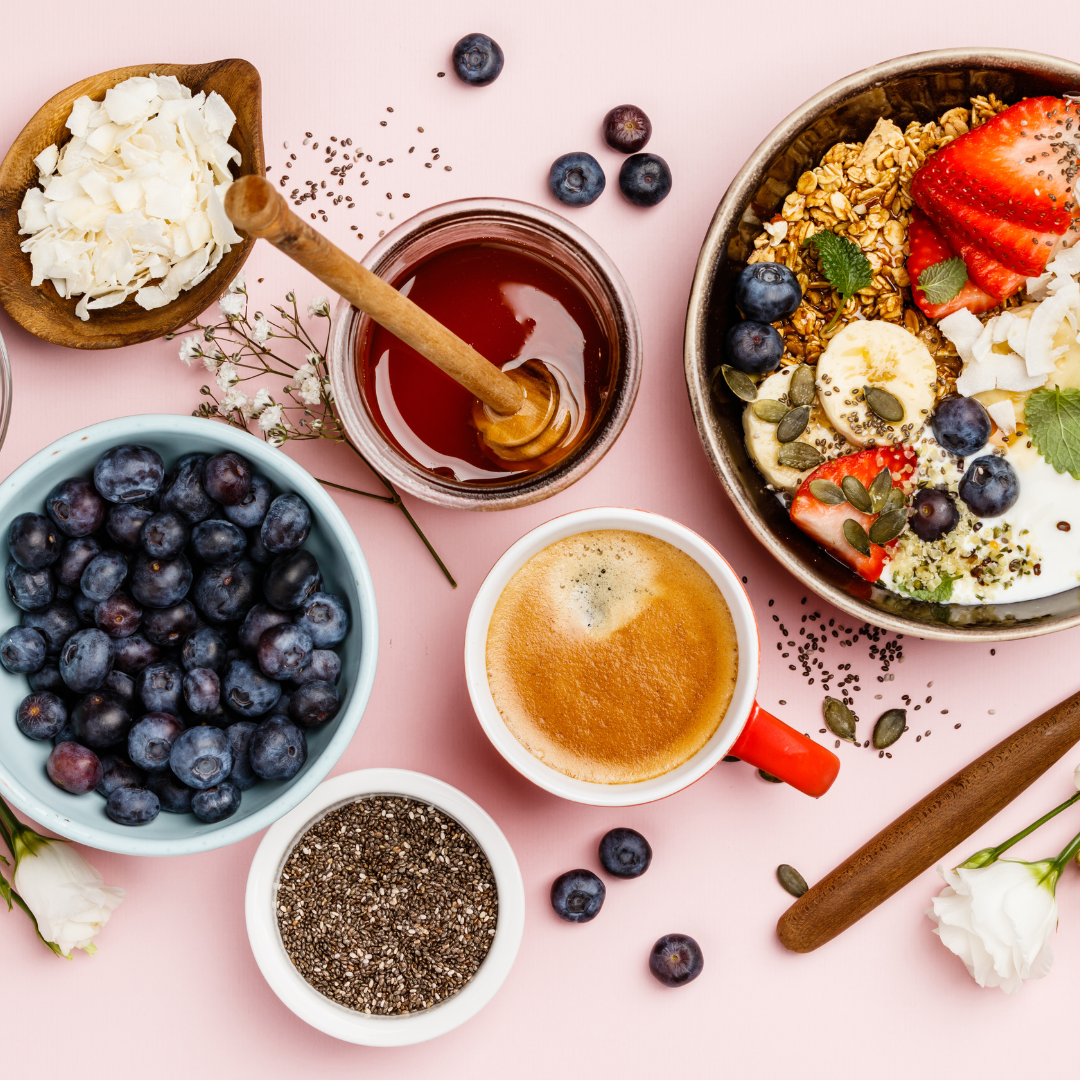
There’s a common misconception that healthy food has to be brown, bland or boring. It doesn’t. And eating well should never feel like a constant battle against your own willpower.
When we find a way of eating that truly nourishes us, everything else starts to fall into place. We experience better energy, improved mood, fewer cravings and even better sleep. It’s not about restriction—it’s about balance.
Food is one of life’s great pleasures, and enjoying it should never come with a side of guilt. That’s why I’m a firm believer in the 80:20 rule: eat as well as you can most of the time, but leave room for flexibility. High days, holidays and the occasional indulgence are all part of a healthy relationship with food.
The Power of What’s on Your Plate
How often do you stop and really think about the food in front of you?
For many of us, eating has become something we do on autopilot—grabbing something quick, eating on the go, or focusing only on labels like “high protein”, “low fat” or “low sugar”. But when we pause and consider the nutritional value of our meals, something shifts.
Food isn’t just calories—it’s information for your body.
When you begin to notice how different foods make you feel, you’re far more likely to make choices that support your health. Ask yourself:
Does this meal leave me feeling energised or sluggish?
Am I satisfied, or still searching for something afterwards?
Do I feel balanced, or am I craving sugar shortly after?
For example, compare how you feel after a nourishing breakfast or a balanced lunch versus skipping meals or eating something high in sugar but low in nutrients. Chances are, the latter leaves you feeling flat, irritable and reaching for more, while the former keeps your energy steady and your mood more stable.
The more awareness you build around how food affects you, the easier it becomes to make choices that genuinely support your wellbeing.
Understanding Cravings and Energy Slumps
If you regularly hit a 3pm energy slump or find yourself craving chocolate after meals, it’s worth getting curious rather than critical.
There’s often a pattern.
Ask yourself:
Did I eat enough at my last meal?
Was that meal balanced?
Did it include protein and fibre?
Am I actually hungry, or just bored or tired?
Protein and fibre are a powerful combination. Together, they help you feel fuller for longer and keep your blood sugar levels stable, reducing the likelihood of those sudden dips that lead to cravings for sugary foods.
Sometimes, what we interpret as a lack of willpower is simply our body asking for better fuel.
A Simple Tool for Emotional Eating: HALTS
When it comes to comfort eating or emotional eating, one tool I often share is the acronym HALTS. It’s a simple but effective way to introduce a moment of mindfulness before reaching for food.
Next time you feel a craving or the urge to eat, pause and ask yourself if you are:
Hungry
Angry
Lonely
Tired
Stressed
This quick check-in helps you identify what’s really going on.
Then ask yourself: will eating this food actually help?
If the answer is yes—go ahead and enjoy it, fully and without guilt. But if the answer is no, consider whether there’s something else that might meet your needs more effectively. Maybe it’s rest, connection, a break, or simply stepping away for a moment.
The key is making a conscious choice, rather than reacting on autopilot.
Nourishment and Enjoyment Can Coexist
Most of the time, our bodies need nourishment—food that supports our energy, health and overall wellbeing. But sometimes, we simply eat for enjoyment. And that’s absolutely fine.
Both have a place.
The goal isn’t perfection. It’s balance.
When we remove the guilt and start listening to our bodies, food becomes far less complicated. We stop labelling ourselves as “good” or “bad” based on what we eat, and instead focus on how we feel.
Because ultimately, a healthy relationship with food isn’t just about nutrients—it’s about trust.
Trusting yourself to make choices that nourish you most of the time, while still allowing space for enjoyment, flexibility and real life.
And when you find that balance, everything becomes a lot easier.
About the author:
Jane McClenaghan is renowned for her down-to-earth, evidence-based approach to nutrition, making healthy eating practical and achievable for everyone.
With over 25 years of experience delivering group sessions for corporate clients and one-to-one consultations, she specialises in women’s health and has helped thousands of people transform their wellbeing through better nutrition.
As the author of two best-selling books and a familiar voice on local radio, Jane is passionate about translating the science of nutrition into real food on your plate and empowering others to make lasting, positive changes for their health.
Get in touch