
Winter foods to support immunity
Are you right back at it, hitting the ground running this January, or are the January blues starting to creep in?
Winter is naturally a time to hunker down and hibernate. Short days, cold weather and the come-down after the festive season can leave many of us feeling sluggish, low in energy, and more prone to coughs and colds. While it can take a few days (or weeks) to get back into the swing of things, January is actually the perfect time to reset your routine and focus on foods that support your immune system, energy levels and overall wellbeing.
Seasonal eating in winter isn’t about restriction or drastic detoxes. It’s about nourishment, warmth and using simple, whole foods to help your body do what it does best: protect, repair and energise.
Why January Is the Perfect Time to Reset Your Diet
Getting back into a regular routine feels good. Planning meals, getting organised and spending a little more time in the kitchen can be surprisingly grounding. Cooking nourishing food for yourself and your family is one of the most powerful (and underrated) forms of self-care.
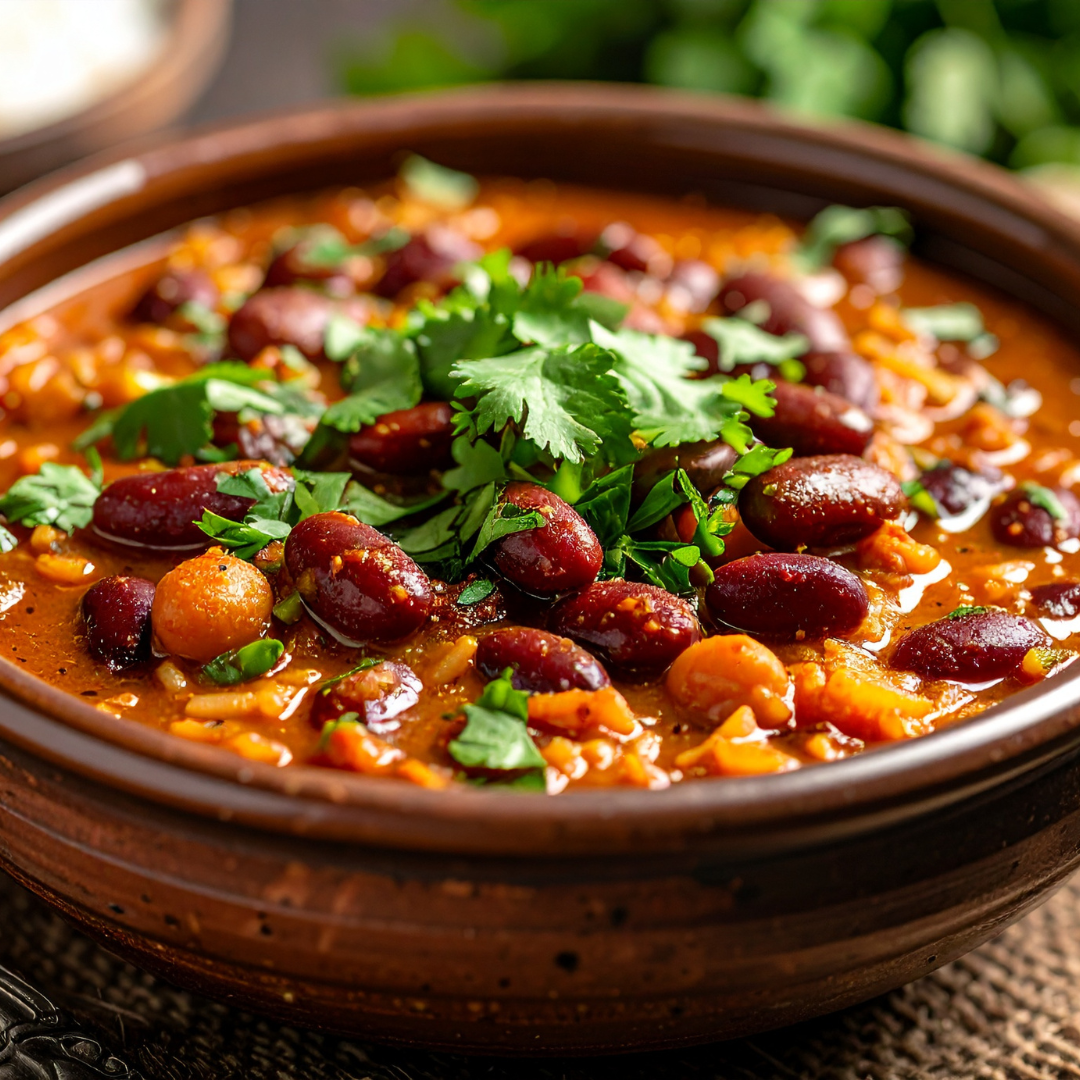
Winter is also the season of slow cooking. Dust off the slow cooker, dig out your soup pot and get some winter warmers on the go. Think stews, curries, casseroles and one-pot meals that are easy to prepare, budget-friendly and full of nutrition.
You don’t need to overhaul your entire diet to see benefits. Small additions can make a big difference:
Add puy lentils to a bolognese
Throw extra vegetables into chilli or curry
Top meals with fresh herbs
Serve a crunchy winter slaw on the side
These little extras are often the big hitters when it comes to improving nutrition, supporting immune health and keeping energy levels steady.
Seasonal Winter Foods to Support Your Immune System
Despite the cold weather, winter offers plenty of nutrient-dense seasonal foods that help keep you well through the darker months. Here are some of the best immune-supporting foods to add to your shopping list this weekend.
1. Citrus Fruits: Vitamin C Powerhouses
Oranges are at their peak in winter and are well known for their vitamin C content. But there’s more to them than that. Citrus fruits also contain bioflavonoids, which help activate and enhance the effects of vitamin C in the body.
This is one of the reasons eating the whole fruit is more beneficial than drinking orange juice alone. Try to include some of the white pith, and use citrus zest in cooking, baking or dressings for an extra nutrient boost.
Other great winter citrus fruits include:
Clementines
Grapefruit
Lemons and limes
Whenever possible, choose unwaxed citrus fruit so you can use the zest safely.
2. Kale and Winter Greens for Immune and Energy Support
Curly kale, cabbage, chard and other winter greens are rich in beta-carotene, a precursor to vitamin A. Vitamin A plays a vital role in immune function and supports the health of the mucous membranes in the respiratory tract – your body’s first line of defence against winter bugs.
These greens are also a valuable source of magnesium, a mineral many people are low in. Magnesium is essential for:
Energy production
Muscle function
Supporting a healthy stress response
Steam greens as a side dish, stir-fry them with garlic and olive oil, or add them to soups and stews. The more seasonal greens you can include, the better.
3. Root Vegetables for Slow-Release Energy
Root vegetables such as beetroot, carrots and winter squash are winter staples for good reason. They’re filling, versatile and packed with nutrients.
Root veg are rich in fibre, which helps stabilise blood sugar levels and provides slow-release energy – ideal for long winter days. They also contain antioxidants that support immune health and reduce inflammation.
Roast them, mash them, blend them into soups or use them to bulk out curries and casseroles for extra nutrition without much effort.
4. Warming Herbs and Spices to Fight Winter Bugs
If you’re feeling run down or fighting off a cold, warming herbs and spices can give your immune system a gentle helping hand.
Anti-inflammatory and immune-supporting options include:
Ginger
Turmeric
Cinnamon
Cardamom
Chilli
Cayenne
These spices are rich in flavonoids and add depth and warmth to winter meals. For a simple immune-supporting drink, try sliced fresh ginger with lemon or orange in hot water. It’s soothing, hydrating and naturally warming.
5. Berries for Antioxidants and Immune Protection
Berries are low in sugar but high in antioxidants, making them a great addition to a winter diet. Elderberry is particularly well known for immune support, with research suggesting it may help reduce the severity and duration of respiratory infections.
Elderberry is usually taken as a syrup or capsule and can be found in most health food shops.
Other berries like blueberries, blackberries and raspberries – fresh or frozen – are also excellent choices. Add them to porridge, overnight oats or yoghurt. A bag of frozen mixed berries gently heated with cinnamon or cloves makes a delicious, immune-boosting compote.
Don’t Forget Supplements in Winter
If your supplement routine has slipped over the holidays, January is a great time to restart.
Vitamin D is essential during winter due to limited sunlight exposure. Many people benefit from supplementing throughout the colder months.
Other helpful winter supplements may include:
Vitamin C
Zinc
Elderberry
A good-quality multivitamin with B vitamins for energy and mood
Omega-3 fatty acids for their anti-inflammatory benefits
Supplements should complement a nourishing diet, not replace it – think of them as an extra layer of support.
Nourish, Don’t Deprive
Winter is not the time for extremes. Instead of pushing through fatigue or chasing quick fixes, focus on seasonal eating, warm meals and consistent routines. Supporting your immune system naturally starts with what you put on your plate every day.
By embracing winter foods and gentle habits, you can move through January feeling more energised, resilient and ready for the year ahead.
About the author:
Jane McClenaghan is renowned for her down-to-earth, evidence-based approach to nutrition, making healthy eating practical and achievable for everyone.
With over 25 years of experience delivering group sessions for corporate clients and one-to-one consultations, she specialises in women’s health and has helped thousands of people transform their wellbeing through better nutrition.
As the author of two best-selling books and a familiar voice on local radio, Jane is passionate about translating the science of nutrition into real food on your plate and empowering others to make lasting, positive changes for their health.
Get in touch