How to Support Your Immune System: Nutrition Tips for Staying Well
I’m back at my desk after spending a week gallivanting around Ireland’s Ancient East in a campervan. I was all set and ready for September, when I got knocked off my plan by my immune system.
So, instead of returning from my holiday feeling refreshed and raring to go, I’m working a little under par this week. But I won’t let that beat me. It just means I’m being a little more targeted about my nutritional choices, easing myself back into my regular exercise routine and giving my body what it needs to recover.
This week’s column is all about supporting your immune system — perfectly apt for this time of year, I think.
Feed your immune system with good nutrition
The first nutrient many of us think about when it comes to immune support is vitamin C. This hardworking vitamin plays several important roles in keeping the immune system functioning normally. It is an antioxidant, contributes to the normal function of the immune system and is involved in maintaining healthy skin and other protective tissues.
Vitamin C doesn’t work alone, though. Our bodies need a whole range of vitamins and minerals to support normal immune function, including vitamins A, C, D and E, zinc and selenium. Nutrients work together as part of a much bigger picture, which is one reason why getting a variety of nutrients from a varied diet is so important.
And this makes perfect sense when you consider how nature presents nutrients to us in food.
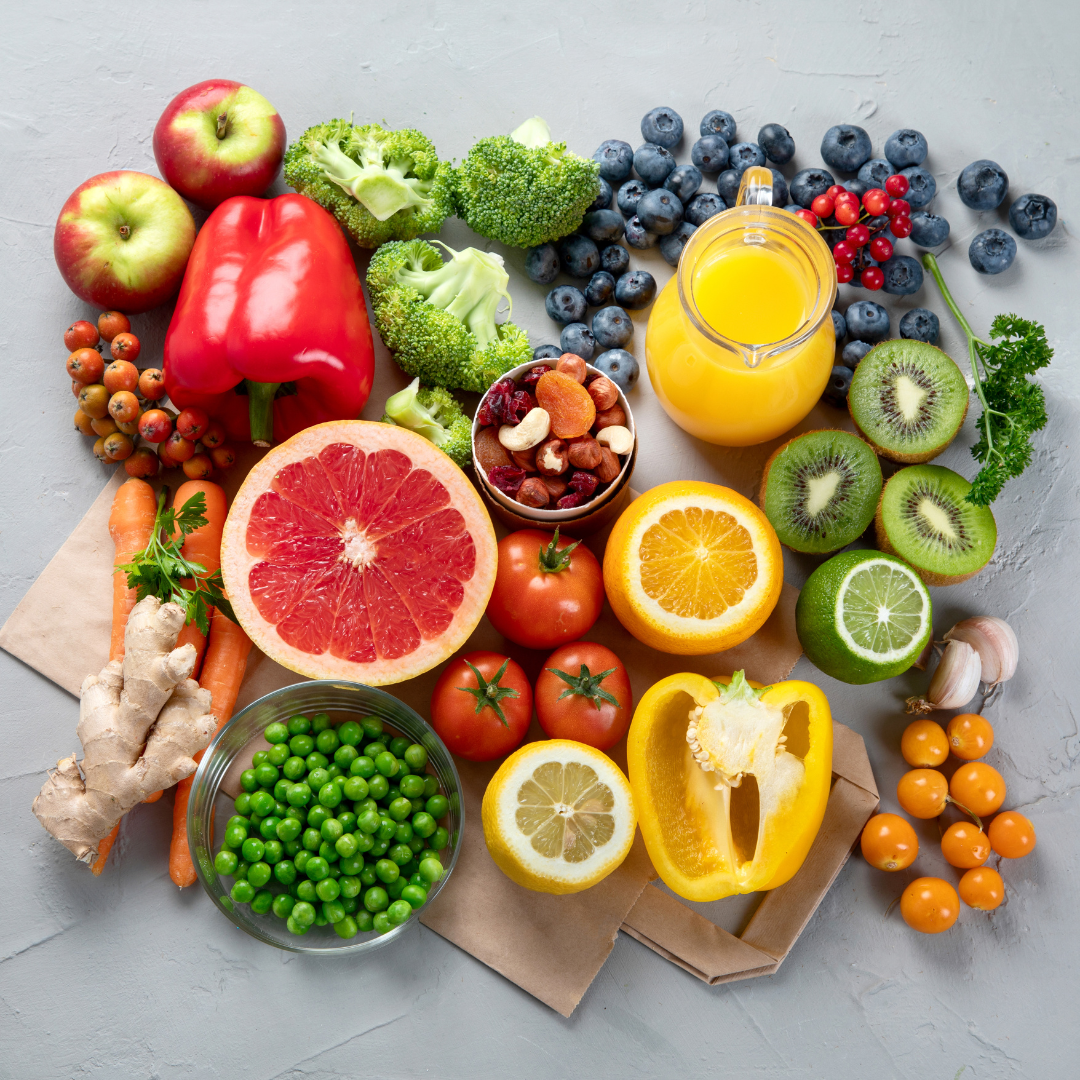
Good sources of vitamin C include citrus fruits, peppers, kiwis and broccoli — foods that also provide a whole host of other vitamins, minerals and plant compounds. Rather than thinking about individual nutrients in isolation, think colour, variety and plenty of plants.
What about vitamin C supplements?
If you’re considering a vitamin C supplement, remember that more isn’t necessarily better. For most people, a varied diet should provide plenty of vitamin C, and while regular vitamin C supplementation may modestly reduce the duration of a cold, it doesn’t appear to prevent colds in the general population. Taking vitamin C once cold symptoms have already started doesn’t seem to make much difference either.
Some people do choose supplements containing additional ingredients such as zinc, bioflavonoids or elderberry. There is some evidence that zinc, when taken as a lozenge or syrup early in a cold, may shorten the duration of symptoms, although the evidence is mixed and these products aren’t a substitute for a good diet.
As always, if you’re taking supplements regularly, it’s worth checking the dose and ingredients rather than assuming that more is better.
Don’t forget the sunshine vitamin
At this time of year, as the days start getting shorter, it’s also time to think about vitamin D.
Vitamin D plays an important role in normal immune function as well as helping to keep our bones and muscles healthy. Despite a sunny summer, many people in the UK may not get enough vitamin D, particularly as we move into autumn and winter.
UK guidance recommends that everyone considers taking a daily vitamin D supplement containing 10 micrograms (400 IU) during the autumn and winter, because from around October to early March, sunlight in the UK isn’t strong enough for our bodies to make enough vitamin D.
You can also get vitamin D from foods including oily fish, egg yolks and some fortified foods.
If you are concerned about your vitamin D status, speak to your GP or a qualified healthcare professional about whether testing is appropriate for you. And remember, vitamin D is fat-soluble, so more is not necessarily better. Very high intakes can lead to excessive calcium levels and cause harm. When it comes to supplements, test, don’t guess — and stick to recommended doses unless you’ve been advised otherwise.
What about echinacea?
Echinacea is another popular supplement for seasonal immune support, and many people reach for it as autumn approaches.
There is some evidence that certain echinacea preparations may slightly reduce the chance of developing a cold, but the evidence is mixed, and it doesn’t appear to reliably shorten the duration or severity of a cold once you have one. Different echinacea products can also contain different species, plant parts and extracts, making them difficult to compare.
So, if you choose to use echinacea, think of it as an optional extra rather than a magic bullet. It’s also worth checking with a healthcare professional if you take medication, are pregnant or have an autoimmune condition, as herbal supplements can interact with some medicines.
Build an immune-supporting plate
The good news is that building a diet to support your immune system, particularly if you’re feeling a little under the weather, should be simple and straightforward.
Build your meals around plenty of antioxidant-rich fruit and vegetables. Get as much colour and variety in as you can, and up the ante with herbs and spices — especially garlic, thyme, turmeric, ginger and rosemary.
Make sure every meal contains a source of protein, too. Protein provides the amino acids your body needs for growth, maintenance and repair, including the production and function of immune cells.
Add in some oily fish, extra virgin olive oil, berries and dark green leafy vegetables for a diet rich in a variety of beneficial nutrients and plant compounds. And if you’re feeling under the weather, it’s a good time to ease off the alcohol and sugary snacks and focus on nourishing yourself instead.
Think soups packed with vegetables and beans, grilled oily fish with greens, chicken and vegetable stews, or a colourful omelette with plenty of vegetables. Simple, comforting food is often exactly what you need.
Don’t forget the basics
Nutrition is only part of the picture.
If your body is fighting off an infection or you’re feeling below par, give it the basics it needs: rest, hydration, nourishing food, fresh air and plenty of sleep.
There’s no single food or supplement that can guarantee you’ll avoid every cold or infection this autumn. Your immune system is complex, and supporting it is really about giving your body the nutrients, rest and recovery it needs to function well.
So, as we head into the colder months, think less about quick fixes and more about the everyday habits that add up.
Eat well. Eat plenty of plants. Get enough protein. Get outside. Keep moving, but listen to your body when it needs a rest. And prioritise a good night’s sleep.
Do that, and hopefully you’ll be feeling right as rain again in no time.
About the author:
Jane McClenaghan is renowned for her down-to-earth, evidence-based approach to nutrition, making healthy eating practical and achievable for everyone.
With over 25 years of experience delivering group sessions for corporate clients and one-to-one consultations, she specialises in women’s health and has helped thousands of people transform their wellbeing through better nutrition.
As the author of two best-selling books and a familiar voice on local radio, Jane is passionate about translating the science of nutrition into real food on your plate and empowering others to make lasting, positive changes for their health.
Get in touch